
Quick Answer
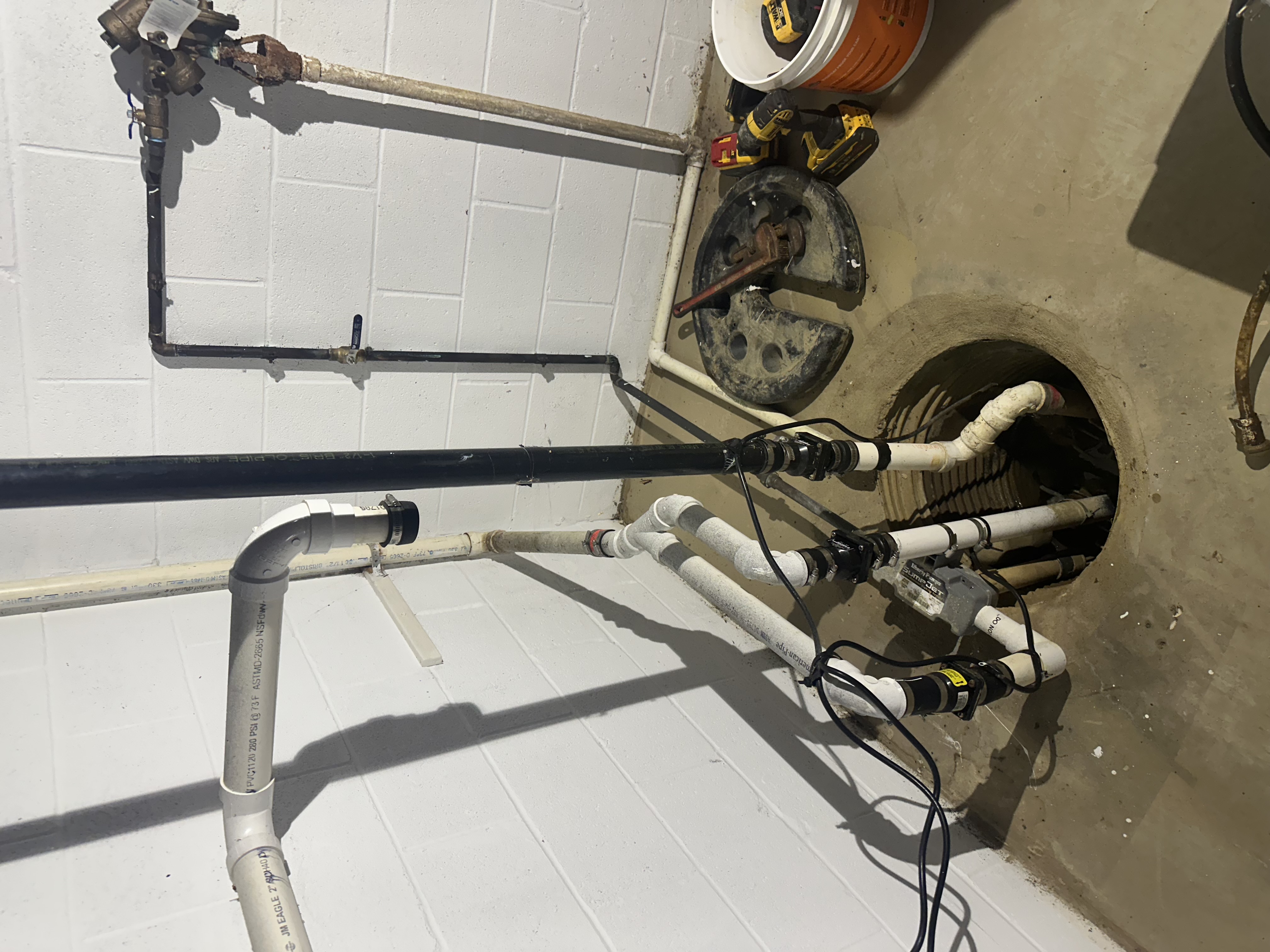
A sump pump that fails to run when water enters the pit is almost always caused by a power issue, a stuck or failed float switch, or a pump that has worn out. Because sump pump failure most often becomes apparent during storms when the pump is needed most, quick diagnosis matters. Checking power first eliminates the most common and easiest-to-fix cause before assuming the pump itself has failed.
Signs Your Sump Pump Has Stopped Working
- Water rising in the sump pit with pump not activating
- Pump makes no sound despite high water level
- Pump hums but does not move water
- Basement flooding without any visible pump activity
- Pump worked recently but now does not respond
Common Causes
Power Issue -- GFCI Outlet or Tripped Breaker
Sump pumps are typically plugged into a GFCI (ground fault circuit interrupter) outlet. These outlets have a test and reset button on the face. When they trip, the outlet cuts power without any visible indication at the breaker panel. The pump appears dead but simply needs the GFCI reset. A tripped breaker at the panel is the next thing to check.
Stuck or Failed Float Switch
The float switch is a small device that rises with the water level in the pit and triggers the pump to start. If the float switch is stuck in the down position by debris, silt, or mechanical failure, the pump will not activate even with water present. Some float switches can be freed by manually lifting them. A failed float switch requires replacement.
Pump Motor Burned Out
Sump pumps that ran continuously during a previous storm cycle can overheat and burn out the motor. Once the motor is gone, the pump must be replaced. Most residential sump pump motors have a service life of 5 to 15 years depending on frequency of use and pump quality.
Impeller Clogged with Debris
The impeller is the rotating part inside the pump that moves water. Gravel, silt, and debris from the pit can clog the impeller and prevent it from moving water even when the motor runs. A humming pump that moves no water often has a clogged impeller.
Discharge Line Blocked or Frozen
In Northeast Ohio winters, the discharge line that carries water away from the home can freeze solid. A frozen discharge line backs up water into the pit and can damage the pump motor if the pump runs against a blocked line.
What Can Homeowners Safely Check?
- Check the GFCI outlet the pump is plugged into -- press the reset button firmly.
- Check the circuit breaker panel for a tripped breaker.
- Manually lift the float switch inside the pit -- if the pump starts, the float is stuck.
- Listen for a hum from the pump with the float lifted -- hum with no water movement suggests a clogged impeller.
- Check the discharge pipe outside for blockage or ice (winter months).
Safety: Do not enter a flooded basement if water may have contacted electrical equipment, panels, or outlets. Water and electricity are a fatal combination. Shut off power at the main panel before entering if in doubt.
When Is This an Emergency?
- Water rising rapidly in the basement with pump confirmed not working
- Water approaching electrical panels, finished areas, or HVAC equipment
- Water has already reached floor level
Repair vs. Replacement
Repair May Be Appropriate When:
- The issue is a GFCI trip, stuck float, or frozen discharge line
- The pump motor runs but the impeller is clogged (professional cleaning)
- The pump is relatively new (under 5 years)
Replacement Makes More Sense When:
- The motor is burned out
- The pump is 7 to 10 years old or older
- The pump has failed more than once
- The pump is undersized for the actual water volume the pit receives
How Gray's Diagnoses It
A plumber checks power first, then tests the float switch manually, listens for motor activity, inspects the impeller, and tests the discharge line. Age and condition of the pump are evaluated alongside the diagnosis to give a clear repair-or-replace recommendation.
Northeast Ohio Considerations
Northeast Ohio experiences significant spring thaw periods and heavy spring rainfall. Sump pumps in the region often run continuously for days during peak spring melt. Pumps that have not been tested or maintained since the previous season are most likely to fail when demand is highest.
Frequently Asked Questions
My sump pump is plugged in but not turning on. What should I check first?
How do I test whether my float switch is working?
My sump pump hums when it runs but water stays in the pit. What is wrong?
How long do sump pumps last?
Should I have a battery backup sump pump?
Related Plumbing Knowledge
Related Services
Related Problems
- Sump pump alarm going off
- Sump pump running constantly
- Basement keeps flooding
- Water coming up through basement floor
Sump Pump Not Working? We Can Help Right Away.
Gray's Precision Plumbing diagnoses and replaces sump pumps throughout Northeast Ohio. Do not wait for a storm to find out your pump has failed.
Call 440-723-8850 Send a Message