
Quick Answer
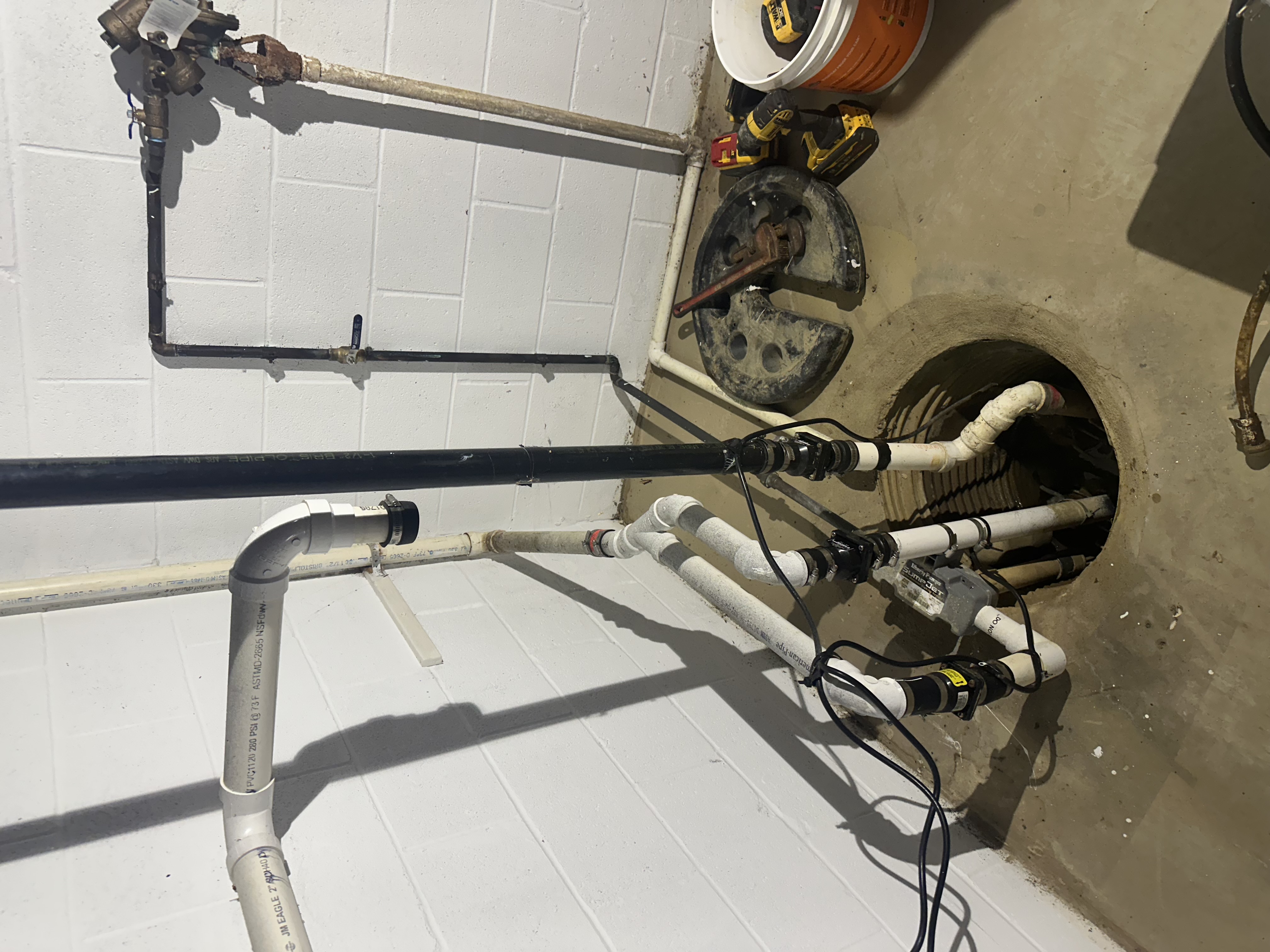
A sump pump alarm is a high-water warning -- it sounds when the water level in the sump pit rises above the point where the pump should have already activated. This means either the pump is not running, the pump cannot keep up with the incoming water volume, or the discharge line is blocked. The alarm gives you a few minutes of warning before water overflows the pit and onto the basement floor.
Signs the Sump Pump Alarm Is Alerting You
- Audible alarm from the sump pit area
- Water level visibly high in the pit
- Pump running but water level still rising
- Pump not running despite high water level
- Alarm activating during or after heavy rain
Common Causes
Pump Not Keeping Up with Water Volume
During extreme rain events or spring thaw periods, groundwater can enter the pit faster than the pump's rated capacity. This is especially common if the pump is undersized for the property or aging and losing performance. The alarm sounds while the pump runs continuously but cannot lower the water level.
Pump Has Failed
If the alarm sounds and the pump is not running, the pump has failed. Check power (GFCI outlet, breaker) and float switch first. If those are not the issue, the pump motor has likely burned out and needs replacement.
Discharge Line Blocked or Frozen
A blocked discharge line prevents the pump from moving water out of the pit even though it is running. In winter, the outdoor discharge pipe can freeze solid. The pump runs but water backs up in the pit, triggering the alarm.
Float Switch Set Too High or Failed
The alarm float is set at a level above the pump's activation point. If the pump's own float switch has failed and the pump is not activating at the correct level, the alarm float may be the first thing to trigger. This indicates the pump's float switch needs attention.
Power Outage with Battery Backup Active
If grid power is out, the battery backup system may be running the backup pump at lower capacity. The alarm may sound if the backup cannot handle the full water volume. This is expected behavior -- the backup is designed to handle moderate situations, not replace the full-capacity primary pump.
What Can Homeowners Safely Check?
- Listen -- is the primary pump running? (audible motor and water movement)
- Check the pit water level visually (safely, from the rim).
- Check whether grid power is on -- a power outage explains a backup-only situation.
- Check the GFCI outlet if the pump is not running.
- Look outside at the discharge pipe end -- is water flowing out? (no flow = blocked line)
Do not silence the alarm and ignore it. The alarm exists to give you time to act before flooding. Address the underlying cause immediately.
When Is This an Emergency?
- Water overflowing the sump pit onto the basement floor
- Pump confirmed not running with no power explanation
- Flooding has already reached finished basement areas
What to Do Right Now
If the Pump Is Running but Can't Keep Up:
Remove as much water as possible with a wet/dry vacuum or submersible utility pump to reduce pit level while waiting for conditions to ease. Call a plumber to assess whether the pump is undersized.
If the Pump Is Not Running:
Check GFCI, check breaker, manually lift the float switch. If the pump still does not start, it has likely failed and needs replacement. Call immediately.
If the Discharge Line Is Blocked:
Carefully inspect the outdoor discharge pipe. Do not pour hot water on frozen pipes unsupervised. Call a plumber -- a frozen discharge in winter is a common emergency.
How Gray's Diagnoses It
Gray's tests pump operation, float switch response, discharge flow, and checks for power issues. If the pump is running but undersized, a replacement with appropriate capacity is recommended. Battery backup systems are also assessed.
Northeast Ohio Considerations
Northeastern Ohio's clay-heavy soil saturates quickly during spring thaw and heavy rain, producing extremely high groundwater levels over short periods. Homes in low-lying areas of Lorain County and the Lake Erie plain are especially vulnerable during these events.
Frequently Asked Questions
My sump pump alarm is going off but the pump is running. What does that mean?
Should I silence the sump pump alarm?
Can a sump pump alarm go off due to a false trigger?
How long does a battery backup sump pump last on battery?
How do I prevent my sump pump alarm from going off in the future?
Related Plumbing Knowledge
Related Services
Related Problems
Sump Pump Alarm Going Off? Call Us Now.
Gray's Precision Plumbing responds to sump pump emergencies throughout Northeast Ohio. Do not wait for the basement to flood.
Call 440-723-8850 Send a Message