Quick Answer
A sump pump is designed to cycle on when water reaches a certain level and shut off when the pit is empty. Non-stop running means either an unusually large volume of water is entering the pit, or something mechanical is preventing the pump from doing its job properly. The most common culprits are a failed check valve, a stuck float switch, or a pump that is undersized for the conditions. This is worth addressing quickly because a pump that runs without pause will burn out far sooner than one that cycles normally.
Common Causes of a Constantly Running Sump Pump
Failed Check Valve
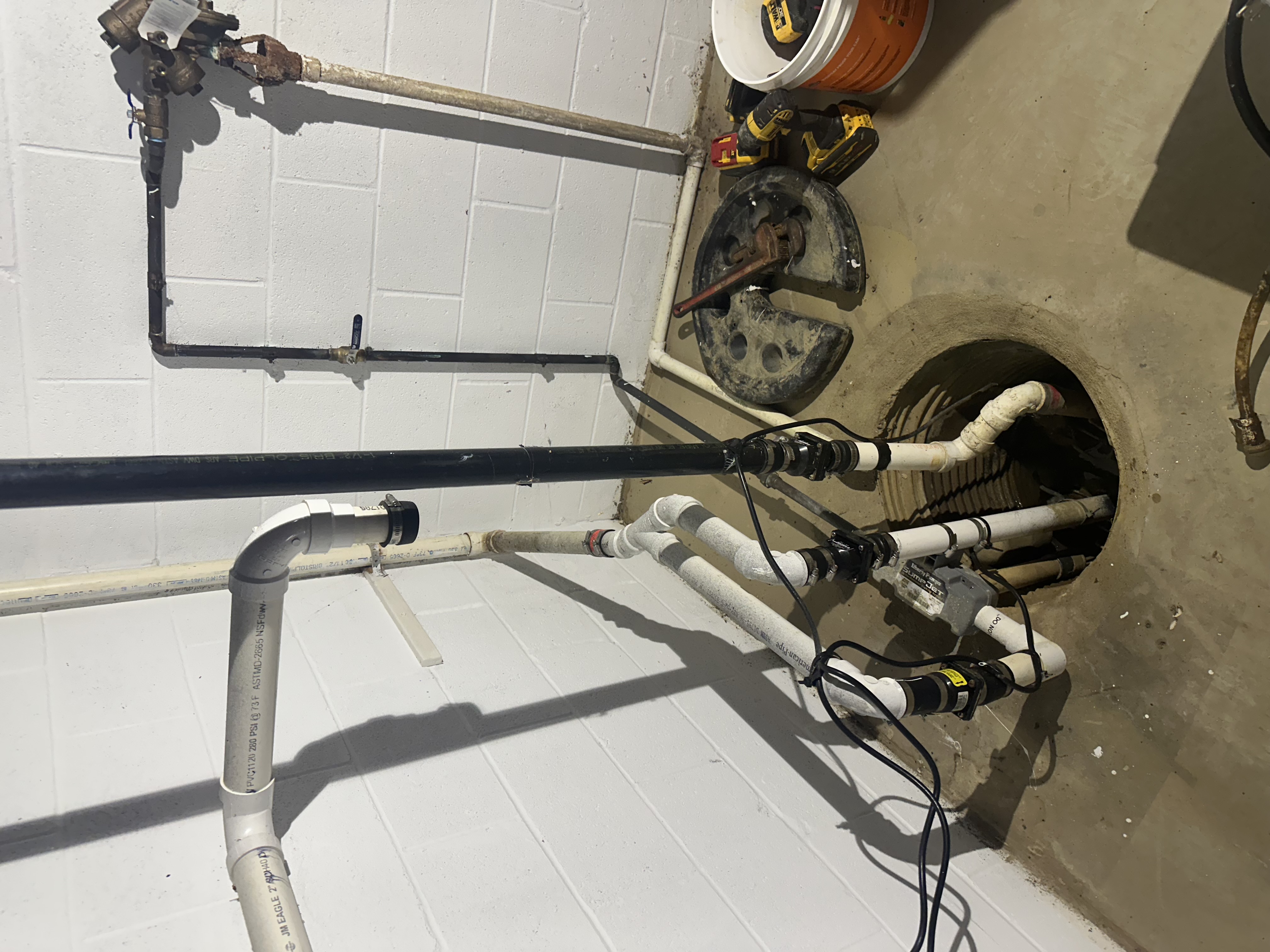
The discharge line should have a check valve that prevents pumped water from flowing back into the pit when the pump shuts off. If this valve fails or is missing, water that was just pumped out flows straight back in, triggering the float and starting the pump again within seconds. This creates a continuous cycle. A failed check valve is one of the most common and straightforward sump pump repairs.
Stuck Float Switch
The float switch triggers the pump when water reaches a set level. If the float gets caught on the pit liner, the discharge pipe, or debris inside the pit, it can remain in the "on" position even when the pit is empty. This keeps the pump running dry, which is hard on the motor and can shorten its life significantly.
High Water Table or Excessive Groundwater
During sustained heavy rainfall, rapid snowmelt, or in areas with naturally high water tables, groundwater can enter the sump pit faster than the pump can discharge it. In this case, the pump may be working correctly but simply cannot keep up with the volume. The solution may be a higher-capacity pump, a secondary pump, or addressing the drainage around the foundation.
Undersized Pump
A pump that is too small for the pit size or the volume of water that enters during wet conditions will run continuously without ever emptying the pit. If the pump has always run frequently, the original installation may not have matched the pump capacity to the actual demand.
Discharge Line Freezing or Blocking
If the discharge line that carries water away from the house is frozen, crushed, or blocked, the pump runs but cannot move water effectively. In winter, a frozen discharge line is a common cause of a pump that sounds like it is working but is not making progress.
Pump Beginning to Fail
An aging or failing pump may run continuously because it has lost enough pumping efficiency that it cannot empty the pit at a normal rate. If the pump is older than 7 to 10 years and has been running more frequently over time, age may be a factor alongside any other issue.
Why This Matters: Burn-Out Risk
Residential sump pumps are not designed for continuous duty. Running non-stop, especially if the pit is empty and the pump is running dry, can burn out the motor in hours to days rather than years. A pump that fails during a severe rainfall event leaves the basement unprotected. Addressing a constantly running pump is not routine maintenance — it is time-sensitive.
What Can Homeowners Safely Check?
- Look into the pit and check whether the float switch is stuck against the wall or debris.
- Check whether the pit actually has water in it or whether the pump is running dry.
- Inspect the discharge pipe outside the house to confirm it is not frozen or blocked.
- Note whether the constant running started during a rain event or dry conditions.
Do not attempt to manually hold the float down for more than a moment to test the pump. If the pump is running dry, turn it off at the circuit breaker until the cause is confirmed to avoid motor damage.
When Is This an Emergency?
- The pump is running but water is still rising in the pit.
- The discharge line is blocked and the pump cannot move water at all.
- The pump has been running non-stop for more than 24 hours without explanation.
- You hear the pump struggling, making grinding sounds, or smell burning.
How Gray's Precision Plumbing Diagnoses Sump Pump Problems
A plumber can assess the float switch, check valve, discharge line, pump capacity, and overall pit condition to identify the specific cause. If the pump itself has reached the end of its service life, replacement recommendations will include sizing the new unit properly for the home's drainage conditions.
Northeast Ohio Considerations
Spring in Lorain County reliably brings high-water-table conditions and heavy rain events that test sump systems. Homes that rarely use their sump pump for most of the year can still see it run nearly continuously for several days during a major storm event. This is normal, but a pump in poor condition going into spring is a significant risk. Annual inspection before March or April is worthwhile.
Frequently Asked Questions
Is it normal for a sump pump to run continuously?
What happens if I let my sump pump run continuously?
Why does my sump pump keep filling back up after it empties?
Can a high water table cause a sump pump to run constantly?
How long should a sump pump last?
Related Plumbing Knowledge
Related Services
Related Reading
Sump Pump Running Non-Stop?
Gray's Precision Plumbing can diagnose and repair sump pump problems before a failing unit causes a basement flood. We serve Elyria, Lorain, Avon, and surrounding communities.
Call 440-723-8850 Send a Message