Quick Answer
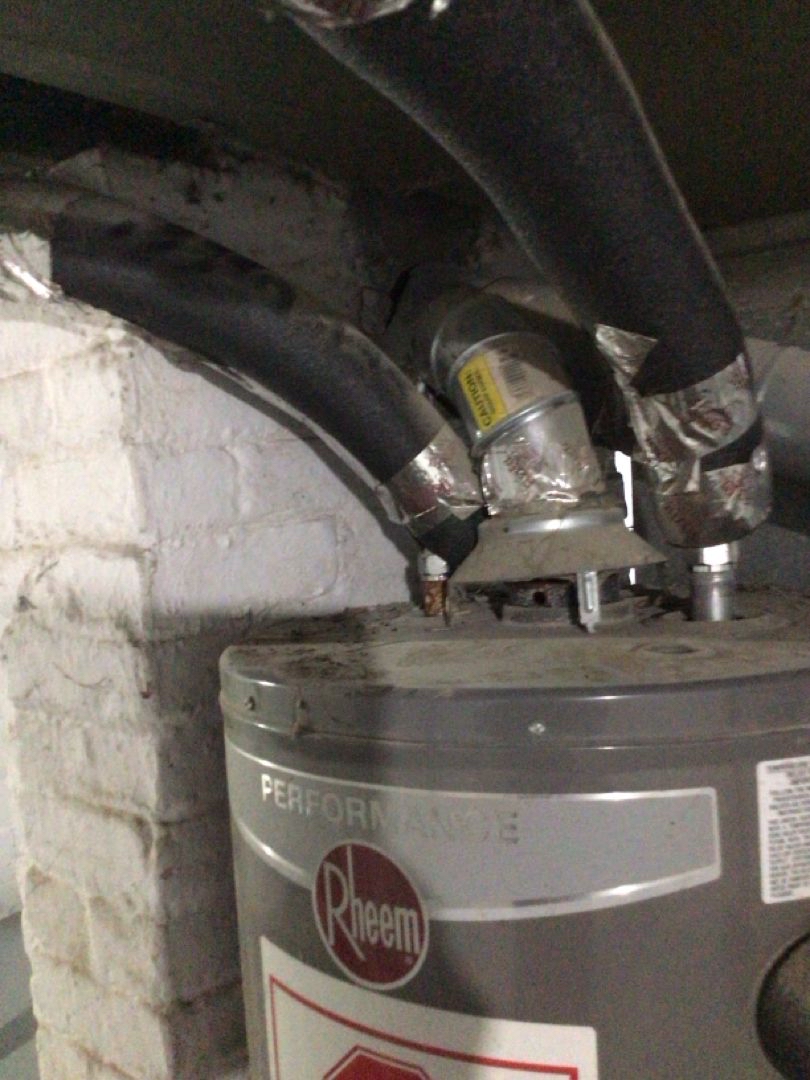
The temperature and pressure relief valve (TPR valve) is a safety device designed to open and release pressure if the water temperature or pressure inside the tank reaches an unsafe level. A valve that drips occasionally may be responding to normal pressure fluctuations. One that drips constantly either has worn out and no longer reseats properly, or there is an ongoing pressure problem in the system that is causing it to open repeatedly.
Signs the TPR Valve Is the Problem
- Water dripping from the small pipe coming off the side of the water heater
- Pooling water or mineral staining on the floor below the discharge pipe
- Hissing sound from the side of the water heater
- Discharge pipe that feels warm or hot to the touch
- Rust staining around the valve body
Common Causes
Thermal Expansion on a Closed System
When cold water enters a water heater and is heated, it expands. On an open plumbing system, this expanded water pushes back into the supply line. On a closed system (one with a check valve or backflow preventer at the meter), the expanded water has nowhere to go and builds pressure. The TPR valve responds to this pressure spike by opening. An expansion tank installed on the supply line solves this problem.
Worn or Failing TPR Valve
TPR valves are mechanical devices with springs and seals that wear over time. A valve that has been in service for many years may no longer seat fully after opening, causing a persistent drip. Manufacturers recommend testing TPR valves annually and replacing them every few years as preventive maintenance.
Excessive Water Pressure
Water supplied at high pressure (over 80 psi) stresses all components, including the TPR valve. High incoming pressure combined with thermal expansion can cause the valve to open regularly. A pressure-reducing valve at the main supply controls this.
Valve Manually Lifted and Not Reseating
TPR valves have a test lever intended for annual testing. If the lever is lifted and the valve does not reseat cleanly afterward, it will drip. Do not continue lifting the lever trying to reseat it -- this can worsen the leak. The valve likely needs replacement.
What Can Homeowners Safely Check?
- Observe whether the drip is intermittent (during peak use times) or constant.
- Do NOT plug the discharge pipe or cap the valve -- this is a serious safety hazard.
- Do NOT lift the test lever if the valve is already dripping.
- Check household water pressure with an inexpensive gauge at a hose bib -- normal is 50 to 80 psi.
- Note the age of the water heater and the valve itself (label on the valve body).
Never plug, cap, or remove a TPR valve's discharge pipe. The valve is a primary safety device. A plugged discharge pipe can allow dangerous pressure to build inside the tank.
When Is This an Emergency?
- The valve is discharging a continuous stream of hot water
- The discharge pipe is capped, blocked, or missing
- The tank is making loud sounds alongside the valve discharge
- The valve body is corroded through or cracked
Repair, Replace, or Add a Component
Replace the TPR Valve When:
- The valve drips constantly and does not reseat
- The valve is older than 5 to 6 years
- The valve body is corroded or the test lever is stuck
Install an Expansion Tank When:
- The home has a closed plumbing system (check valve or backflow preventer at meter)
- The TPR valve opens repeatedly due to pressure spikes
- A plumber confirms thermal expansion is the underlying cause
How Gray's Diagnoses It
Diagnosis includes measuring the household water supply pressure, testing whether the system is open or closed, inspecting the valve and discharge pipe, and checking the age and condition of the water heater. If thermal expansion is driving the valve, an expansion tank is the solution. If the valve itself has failed, replacement is straightforward.
Northeast Ohio Considerations
Many Northeast Ohio municipalities have installed backflow preventers at water meters in recent years, converting previously open systems to closed systems. Homeowners who never had a TPR valve issue may begin experiencing one after this change. An expansion tank is the correct fix.
Frequently Asked Questions
Is a dripping TPR valve dangerous?
Can I replace a TPR valve myself?
Why does my TPR valve only drip at certain times of day?
How often should a TPR valve be replaced?
Will adding an expansion tank fix the TPR valve drip?
Related Plumbing Knowledge
Related Services
Related Problems
- Water heater leaking
- No hot water
- Water heater runs out of hot water quickly
- Hot water smells like rotten eggs
Relief Valve Dripping? Call Us Today.
Gray's Precision Plumbing inspects and repairs TPR valve issues throughout Northeast Ohio. We will identify whether the valve, the system pressure, or thermal expansion is the cause.
Call 440-723-8850 Send a Message