Quick Answer
Running out of hot water faster than normal usually means one of three things: the lower heating element on an electric unit has failed, sediment has built up in the tank and reduced its effective capacity, or household hot water demand has grown beyond what the existing unit can supply.
Signs Your Water Heater Is Not Keeping Up
- Hot water runs out in half the usual time
- First person to shower is fine, second gets cold water
- Hot water takes longer to recover than it used to
- Unit runs for long periods without fully satisfying demand
- Water is only lukewarm, never fully hot
Common Causes
Failed Lower Heating Element (Electric Units)
Electric water heaters have two heating elements. The lower element handles most of the day-to-day heating load. When it fails, the upper element continues working, heating only the top portion of the tank. The result is a much shorter supply of hot water before the tank runs cold. A multimeter test confirms whether an element has failed.
Sediment Buildup
Minerals in Northeast Ohio water settle at the bottom of the tank over time and form a layer of sediment. This insulates the tank floor from the burner or lower element, making heating inefficient and reducing the amount of usable hot water. Sediment also causes the rumbling sounds many homeowners report from older water heaters.
Thermostat Set Too Low
The factory default for water heater thermostats is typically 120 degrees Fahrenheit. A thermostat set below this -- whether intentionally or due to drift -- reduces the stored hot water temperature, which means the tank runs out faster when hot and cold water mix at fixtures.
Undersized Tank
Household water demand grows over time. Additional occupants, a new high-volume showerhead, or a larger bathtub can push demand past what an existing tank can supply. A unit that was adequate for two people may not be enough for four.
What Can Homeowners Safely Check?
- Check the thermostat dial on the water heater -- it should be set to 120 degrees F.
- Note whether demand has increased: new occupants, new appliances, or longer shower habits.
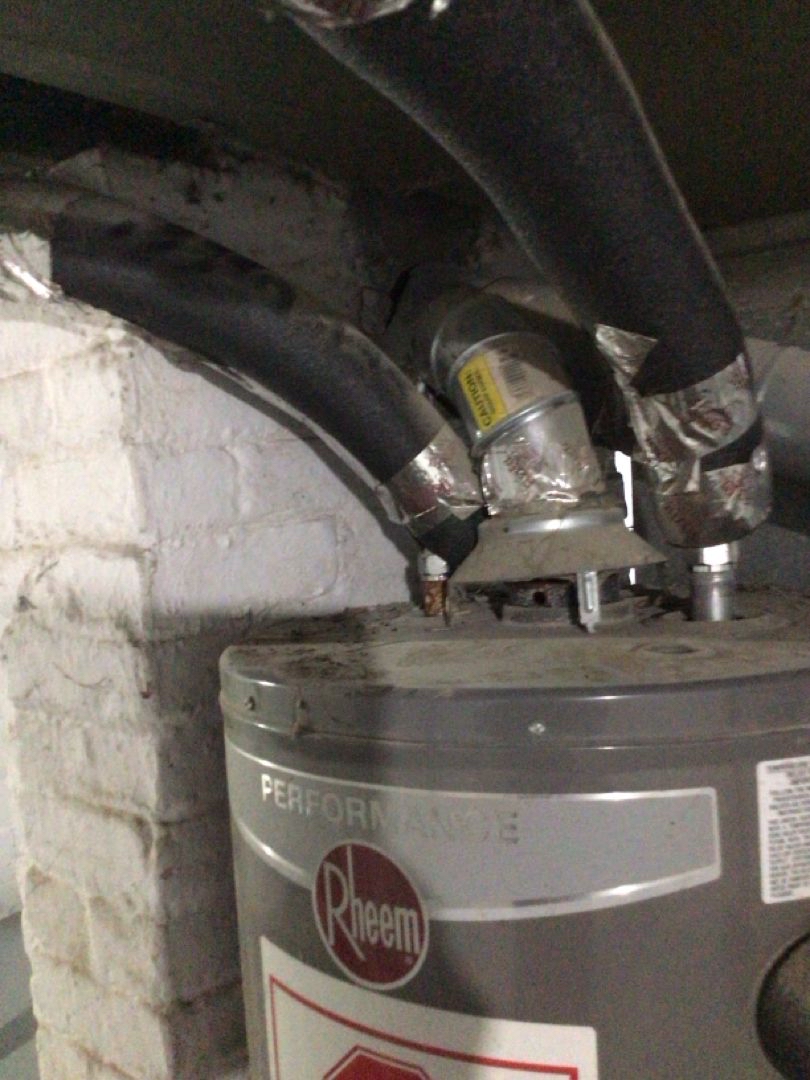
- Check the age of the unit (often on the label near the top). Tank water heaters typically last around 8 to 12 years on average.
- On electric units, check the breaker panel for a tripped breaker labeled water heater.
- Listen for rumbling or popping sounds, which often accompany sediment buildup.
A lower element failure on an electric unit requires draining the tank and replacing the element. This is a repair -- not a reason to replace the whole unit if the heater is otherwise in good condition.
When Is This an Emergency?
- Unit is also leaking alongside the reduced hot water supply
- You smell gas near the unit (gas units)
- Loud banging or hissing accompanies the loss of capacity
- Water has discoloration or odor alongside the heating problem
Repair vs. Replace
Repair Makes Sense When:
- The unit is under 8 to 10 years old
- A failed element or thermostat is the confirmed cause
- The tank shows no corrosion or leaking
- Repair cost is well under the cost of replacement
Replacement or Upgrade Makes Sense When:
- The unit is over 10 years old with declining performance
- Demand has genuinely outgrown the tank size
- Sediment buildup is severe and flushing has not improved recovery
- A tankless water heater would eliminate the recovery issue entirely
How Gray's Diagnoses It
A diagnosis checks the thermostat settings, tests heating elements with a multimeter (electric units), inspects for sediment accumulation, and evaluates whether the unit is sized appropriately for current household demand. The age and condition of the unit are weighed alongside the findings to give a clear repair-or-replace recommendation.
Northeast Ohio Considerations
Northeast Ohio groundwater is moderately hard, which contributes to faster-than-average sediment accumulation in tank water heaters. Cold incoming water temperatures in winter also mean the unit works harder to reach target temperature, which accelerates wear on heating elements and thermostats.
Frequently Asked Questions
Why does my hot water run out so much faster than it used to?
Can a water heater thermostat cause me to run out of hot water quickly?
How long should a full tank of hot water last?
Will flushing my water heater fix the problem?
When should running out of hot water mean replacing the water heater rather than repairing it?
Related Plumbing Knowledge
Related Services
Related Problems
- No hot water
- Water heater making noise
- Rusty or discolored hot water
- Water heater leaking
- Pressure relief valve leaking
- Hot water smells like rotten eggs
Running Out of Hot Water? We Can Help.
Gray's Precision Plumbing diagnoses and repairs water heater performance problems throughout Northeast Ohio. We will tell you whether a repair or replacement makes more sense before any work begins.
Call 440-723-8850 Send a Message