Quick Answer
Identifying where the water begins is the first step in determining whether the problem can be repaired or whether replacement is appropriate. A leak from a fitting or replaceable valve may be repairable. Water coming directly through the steel tank generally indicates internal corrosion and typically requires replacement.
Signs Your Water Heater May Be Leaking
- Water collecting around the base of the tank
- Damp flooring near the unit
- Rust stains or visible corrosion
- Water dripping from pipes or fittings
- Reduced hot-water availability
- Popping or rumbling noises
What Causes a Water Heater to Leak?
Loose Plumbing Connections
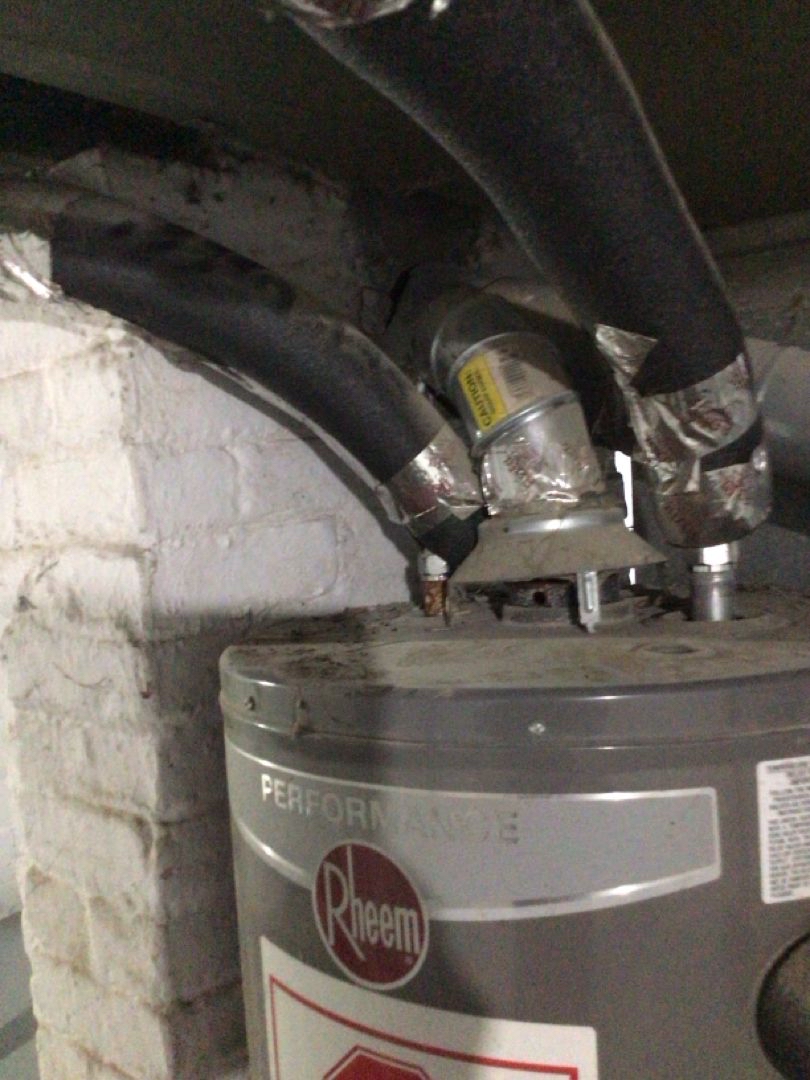
The hot- and cold-water connections near the top of the unit can develop leaks. Water at the top of the heater or moisture around a fitting may indicate a connection problem rather than a failed tank.
Leaking Drain Valve
The drain valve near the bottom of a tank-style heater is used during maintenance. A worn, damaged, or incompletely closed valve can drip and may be replaceable.
Temperature and Pressure Relief Valve Discharge
The temperature and pressure relief valve is a safety device. Water from its discharge pipe can be associated with excessive pressure, overheating, thermal expansion, or a valve problem. Never plug or cap the valve or its discharge pipe.
Condensation
Moisture can sometimes form on a cool tank or nearby piping. Drying the area and watching where water first reappears can help distinguish condensation from a plumbing leak.
Internal Tank Corrosion
As a water heater ages, corrosion can eventually affect the steel tank. A tank that is leaking through its body cannot normally be repaired safely or permanently and generally needs replacement.
What Can Homeowners Safely Check?
- Dry the surrounding area and identify where water first reappears.
- Look for moisture around visible supply connections.
- Check whether water is coming from the drain-valve area.
- Look for corrosion or water trails down the side of the tank.
- Keep people and belongings away from spreading water.
Do not disassemble the heater, work on gas or electrical connections, or alter a temperature and pressure relief valve.
When Is a Water Heater Leak an Emergency?
- Water is actively spraying or rapidly flooding the room.
- Water is contacting wiring, electrical panels, outlets, or powered equipment.
- You smell natural gas near a gas-fired water heater.
- The tank body is ruptured or visibly leaking.
- Hot water is creating a burn risk.
Move away from electrical or gas hazards and contact the appropriate emergency service or utility when needed. A plumber can then address the water-heater and piping problem.
Should the Water Heater Be Repaired or Replaced?
Repair May Be Appropriate When:
- The leak is from a replaceable supply connection.
- The drain valve is the confirmed source.
- A professional determines that another serviceable component is responsible.
- The tank body is structurally sound.
Replacement Is Generally Considered When:
- Water is leaking directly through the tank.
- There is significant tank corrosion.
- The unit has recurring problems or costly repairs.
- Its age and overall condition make repair a poor long-term value.
How Gray's Precision Plumbing Diagnoses Water Heater Leaks
A proper diagnosis begins by locating the true source before recommending repair or replacement. Depending on the equipment and symptoms, an inspection may include the supply connections, drain valve, relief valve and discharge piping, expansion tank, water pressure, venting or electrical connections, visible corrosion, sediment-related symptoms, and overall tank condition.
Northeast Ohio Considerations
Water quality, equipment location, maintenance history, seasonal temperature changes, and the age of local housing can all affect water-heater performance. Avoid making a diagnosis based only on water found at the base; water can travel down piping or the tank before pooling on the floor.
Frequently Asked Questions
Does a leaking water heater always need to be replaced?
Why is my water heater leaking from the bottom?
Is it safe to use a leaking water heater?
Can sediment contribute to water heater problems?
How long does a tank water heater usually last?
Related Plumbing Knowledge
Related Services
Related Problems (Not Yet Published)
- No hot water
- Water heater making noise
- Rust-colored hot water
Related Components (Not Yet Published)
- Drain valve
- Temperature and pressure relief valve
- Expansion tank
- Anode rod
Not Sure Where the Water Is Coming From?
Gray's Precision Plumbing can inspect the system, identify the likely source, and explain the available repair or replacement options.
Call 440-723-8850 Send a Message