What It Is
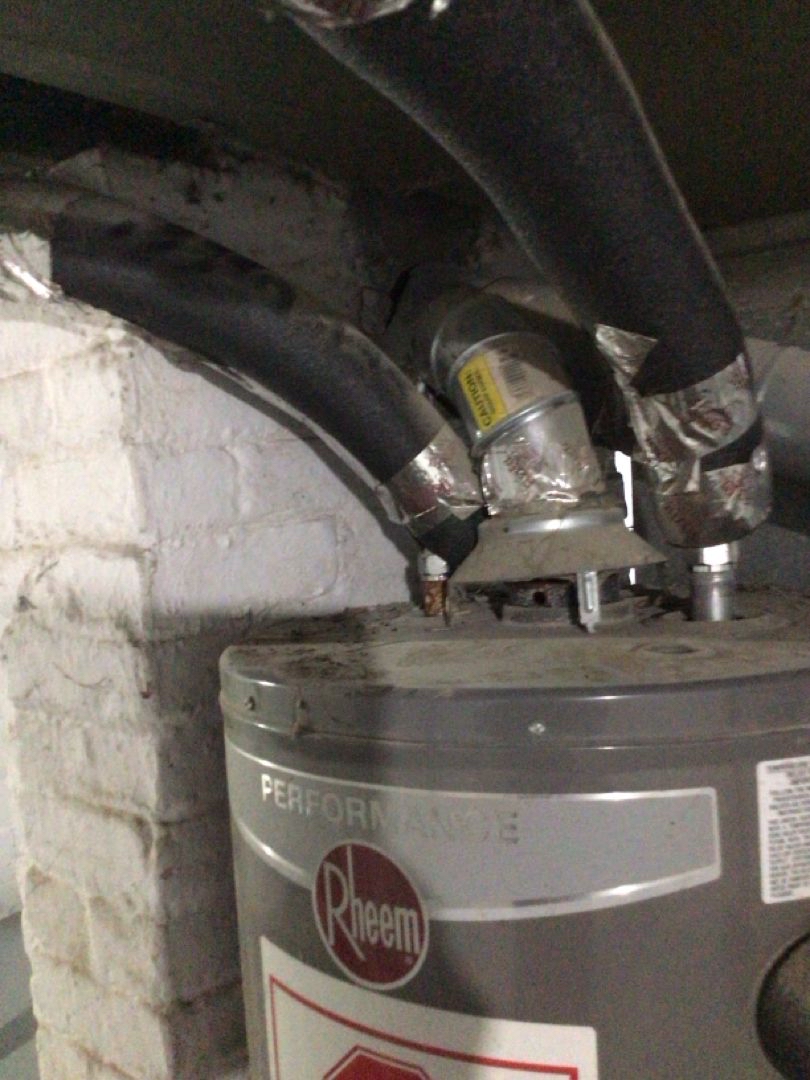
A water heater tank (also called a storage or tank-style water heater) is a pressurized steel vessel that holds 30 to 80 gallons of water at a preset temperature and has it ready for use any time a fixture is opened. The tank runs a heat source - a gas burner below the tank or electric heating elements inside it - on a thermostat-controlled cycle throughout the day and night to replace heat that gradually radiates through the tank walls. It is the most common type of residential water heater installed in the United States.
What It Does
The tank's primary function is to store a ready supply of hot water so that when someone opens a shower, sink, or appliance, hot water is immediately available without a delay. Unlike a tankless water heater that heats on demand, a tank heater maintains a thermal reserve - it trades the small ongoing energy cost of keeping that water warm (standby heat loss) for the convenience of instant availability and the ability to supply multiple fixtures simultaneously without capacity limits.
Tank water heaters typically range from 40 to 50 gallons for most single-family homes, with larger 75- to 80-gallon units for larger households. The tank's "first hour rating" - how many gallons it can deliver in the first hour starting from a full hot tank - is often more relevant for sizing than the raw storage volume, because recovery speed matters.
The steel tank is glass-lined to resist corrosion, and an anode rod inside provides additional sacrificial corrosion protection. A foam insulation layer between the steel outer jacket and the tank slows standby heat loss. A T&P relief valve provides safety protection against overpressure or overtemperature.
Where It Is Located
Tank water heaters are typically installed in a basement, utility room, garage, or dedicated closet. They require floor space for their footprint (typically 20 to 22 inches in diameter for a standard unit) and vertical clearance (usually 60 to 72 inches tall). Gas units need flue venting access; electric units need a 240-volt circuit. Cold water supply and hot water distribution connections are at the top of the unit.
How It Works
Cold water enters through the cold water inlet at the top, travels down through the dip tube to the tank bottom, and is heated by the burner (gas) or elements (electric). Hot water rises by thermal stratification to the top of the tank, where the hot water outlet connection sends it to the house distribution system when a fixture is opened. The thermostat monitors water temperature and cycles the heat source on and off to maintain the set temperature.
Common Problems or Signs of Failure
- Water on the floor near the heater base - the tank has begun to rust through from inside and is leaking; this is not repairable
- Rusty or discolored hot water throughout the house - internal corrosion has progressed significantly
- No hot water - heating element or burner failure, thermostat issue, or pilot/ignition problem
- Popping, rumbling, or banging sounds - sediment buildup at the tank bottom
- Unit is 12 to 15 years old - past the typical service life and likely developing efficiency and reliability issues
Can a Homeowner Check It?
There are several things a homeowner can safely check on a tank water heater without tools or special knowledge.
- Check the serial number label - the manufacture date is typically encoded in the first two digits of the serial number; most manufacturers use a letter for the month followed by two digits for the year
- Inspect the area around the base and connections for moisture, rust staining, or active dripping
- Test the T&P relief valve by lifting the lever briefly - water should discharge and the lever should snap back
- Listen during the heating cycle for popping or rumbling sounds that indicate sediment
- Check the temperature dial setting - 120 degrees Fahrenheit is the standard recommendation
When to Call a Plumber
Call if the tank is actively leaking from the body (not the fittings or valve), if the hot water has turned rusty, or if the heater is 10 or more years old and showing any of the warning signs above. A plumber can assess whether repair of a specific component makes sense given the unit's age, or whether replacement is the better investment. On heaters past 12 years, most repairs represent declining returns on a unit that will need replacement soon regardless.
Related Plumbing Problems
- Why Is My Water Heater Leaking?
- Why Is My Hot Water Rusty or Discolored?
- Why Do I Have No Hot Water?
Related Plumbing Terms
- Water Heater Anode Rod
- Water Heater Sediment
- T&P Relief Valve
- Water Heater Expansion Tank
- Dip Tube
- Tankless Water Heater
Related Gray's Services
Have a Plumbing Question? We Can Help.
Gray's Precision Plumbing serves Northeast Ohio. Call or text for a straight answer on what's wrong and how to fix it.
Call 440-723-8850 Send a Message