What It Is
A T&P (temperature and pressure) relief valve is a safety device mounted on a tank water heater that automatically opens to release water if the tank temperature exceeds 210 degrees Fahrenheit or the pressure exceeds 150 psi. It is a last-resort protection against a runaway heating condition. Every tank-style water heater sold in the United States is required by code to have one, and a discharge pipe directs any released water safely toward a floor drain.
What It Does
Under normal operation, a T&P valve sits closed and does nothing. Its only job is to open when something else has already gone wrong - specifically, when the thermostat has failed to shut off heating and the water temperature or tank pressure climbs to a dangerous level.
When the valve opens, it releases pressurized hot water through the discharge pipe. This drop in pressure and temperature lets the tank return to safe operating conditions. Once the water cools, the valve should close again on its own. If it does not close fully, it will continue to drip.
The valve is not a regulator - it does not control temperature or pressure during normal use. Think of it as a fuse. A properly functioning water heater should never cause the T&P valve to open, so if yours is activating, there is an underlying problem worth investigating.
Where It Is Located
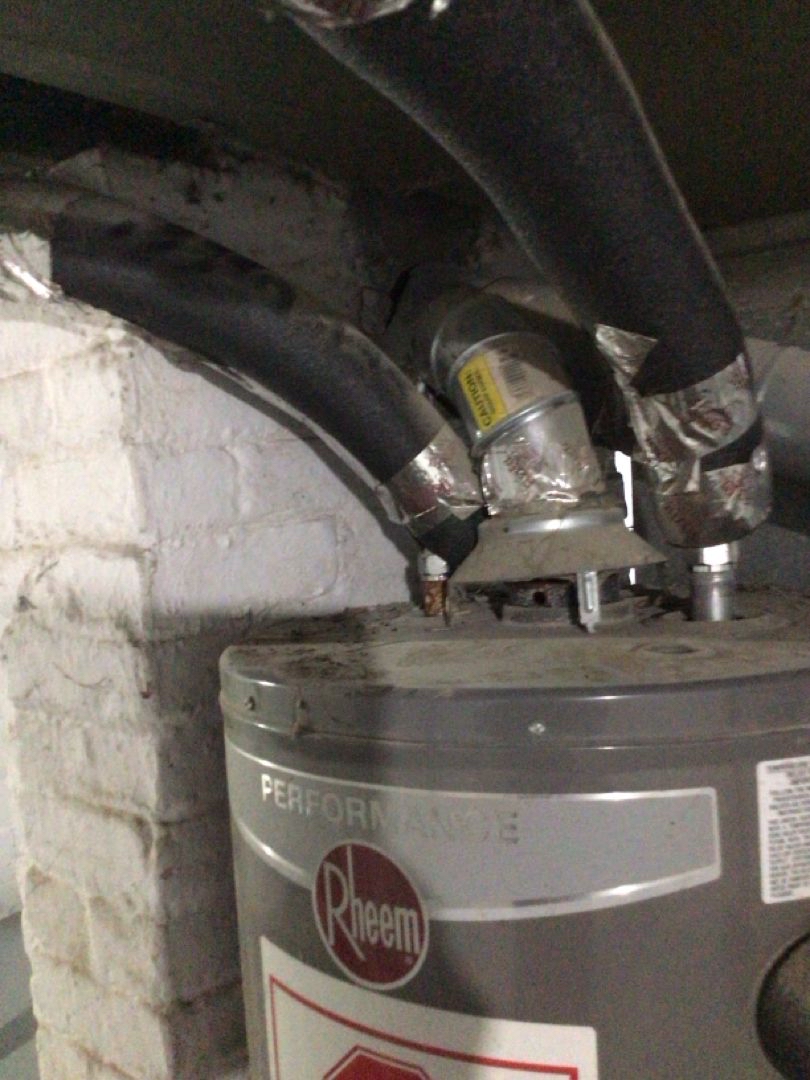
The T&P valve is threaded into the side or top of the water heater tank, typically within the top third of the unit. A metal or plastic discharge pipe runs from the valve downward, usually terminating within 6 inches of the floor or above a floor drain. You can identify the valve by its lever-style handle, which is used for manual testing.
How It Works
Inside the valve body is a spring-loaded mechanism calibrated to open at a specific temperature (210 F) and pressure (150 psi). A sensing probe extends into the tank water. If the water gets hot enough, it expands the probe and forces the valve open mechanically - no electrical signal required. Pressure above the rated threshold pushes against the valve seat and opens it the same way.
This purely mechanical design means the valve works even during a power outage or control board failure, which is why it serves as the final safety backstop.
Common Problems or Signs of Failure
- Water dripping or trickling from the discharge pipe - the valve is weeping and may not be reseating properly
- Valve opens repeatedly or discharges large amounts of hot water - pressure or temperature in the tank is running too high
- Valve handle corroded or stuck - it has not been tested in years and may no longer open reliably
- Discharge pipe is missing, capped, or pointed upward - this is a code violation and a safety concern
- Rust staining or mineral deposits around the valve body - indicates past weeping that went unnoticed
Can a Homeowner Check It?
You can perform a brief manual test to confirm the valve is not seized. Lift the lever briefly (half a second), then release. You should hear water discharge into the pipe and the lever should snap back down. Do this over a bucket or confirm the discharge pipe routes to a drain first.
- Check the discharge pipe - it should run downward and terminate near the floor
- Look for rust stains, mineral deposits, or water marks around the valve body
- Check whether the pipe is capped or blocked - this is unsafe
- Note whether water is actively dripping from the pipe when the heater is idle
Do not manually test the valve on a heater that has not been serviced in many years - older valves that have never been operated can fail to reseat after testing and begin dripping. A plumber can test it safely as part of a maintenance visit.
When to Call a Plumber
Call if the T&P valve is actively dripping or has discharged water. A dripping valve can mean the valve itself has failed, but it can also mean tank pressure is running too high - possibly because an expansion tank is missing or waterlogged. A plumber will test the pressure, inspect the valve, and determine whether the valve needs replacement or whether there is a larger system issue to address.
Also call if the discharge pipe is missing, capped, or improperly routed. This is a code violation that needs correction regardless of whether the valve itself is functioning.
Related Plumbing Problems
Related Plumbing Terms
Related Gray's Services
Have a Plumbing Question? We Can Help.
Gray's Precision Plumbing serves Northeast Ohio. Call or text for a straight answer on what's wrong and how to fix it.
Call 440-723-8850 Send a Message