
What It Is
A water heater anode rod is a metal rod - typically magnesium or aluminum wrapped around a steel core - suspended inside the tank that corrodes in place of the steel tank walls through a process called sacrificial corrosion. As long as enough rod material remains, the tank lining is protected. When the rod is fully consumed, the tank itself begins to corrode from the inside out. Replacing the rod on schedule is the most cost-effective way to extend tank life.
What It Does
Steel water heater tanks are glass-lined, but that lining develops microscopic cracks over time. Without the anode rod, exposed steel would react with dissolved oxygen and minerals in the water and rust. The anode rod sacrifices itself first because it is made of a more electrochemically active metal - one that gives up electrons more readily than steel does.
This electrochemical process is called galvanic protection. The rod continuously oxidizes in place of the tank, buying the tank additional years of service. Most manufacturers recommend inspecting the rod every 2 to 3 years and replacing it when it has corroded down to the core wire or to less than half an inch in diameter.
In areas with hard water - where high mineral content accelerates corrosion - anode rods deplete faster. This is relevant in many parts of Northeast Ohio where municipal water supply carries significant dissolved calcium and magnesium.
Where It Is Located
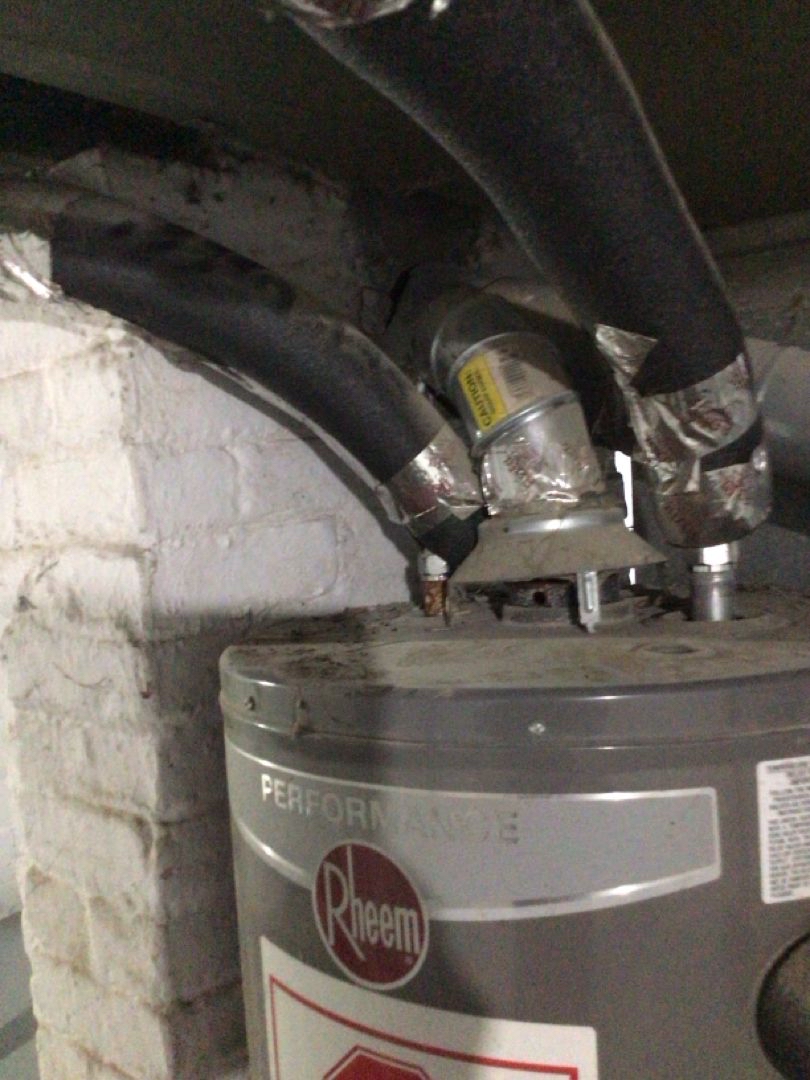
The anode rod threads into the top of the water heater tank through a hex-head fitting. On some units it is exposed on top; on others it is hidden beneath the sheet-metal jacket. Some combination anode rods thread into the hot water outlet port rather than a dedicated fitting. The rod typically runs most of the length of the tank interior.
How It Works
Magnesium and aluminum are higher on the electrochemical activity series than iron (the main component of steel). When both metals are submerged in the same water, the more active metal - the anode rod - corrodes preferentially. This is the same principle used in marine applications to protect steel boat hulls and in underground pipeline protection systems.
As the rod corrodes, it generates hydroxide ions that can create a slightly alkaline environment inside the tank, which further inhibits rust formation on the steel lining. The rod is not consumed all at once - it depletes gradually from the outside in, which is why periodic inspection catches problems before the rod is fully gone.
Common Problems or Signs of Failure
- Hot water smells like sulfur or rotten eggs - a depleted or nearly depleted magnesium rod can react with sulfate-reducing bacteria in the water to produce hydrogen sulfide gas
- Rusty or discolored hot water - the rod has failed and the tank interior is corroding
- Popping or rumbling sounds from the tank - often sediment-related, but a depleted rod accelerates sediment buildup
- Water heater is 8 to 12 years old and the rod has never been inspected - it is almost certainly gone
- Water softener installed in the home - softened water depletes anode rods roughly twice as fast as unsoftened water
Can a Homeowner Check It?
Removing the anode rod is possible as a DIY task on some units, but it requires shutting off the water, relieving tank pressure, and using a socket wrench with a 1-1/16 inch socket - often with significant torque if the rod has not been removed in years. On many installed heaters, clearance above the unit makes this difficult without professional tools.
- Check the water heater age - if over 6 years and never serviced, the rod likely needs inspection
- Notice whether hot water smells like sulfur - this is a strong indicator the rod is depleted
- Check if a water softener is present - if so, the rod depletes faster and should be checked every 2 years
- Look up your water heater brand and model to find where the rod is located before attempting removal
When to Call a Plumber
If your hot water smells like rotten eggs, has rust color, or your tank is more than 6 years old without any maintenance, it is worth having a plumber inspect or replace the anode rod. A plumber can also advise whether an aluminum rod, magnesium rod, or powered anode (for softened water systems) is the best choice for your water chemistry.
If the tank interior has already corroded significantly, a new anode rod will not reverse the damage - at that point, replacement of the entire unit is the practical path forward.
Related Plumbing Problems
- Why Is My Hot Water Rusty or Discolored?
- Why Does My Hot Water Smell Like Rotten Eggs?
- Why Is My Water Heater Making Noise?
Related Plumbing Terms
Related Gray's Services
Have a Plumbing Question? We Can Help.
Gray's Precision Plumbing serves Northeast Ohio. Call or text for a straight answer on what's wrong and how to fix it.
Call 440-723-8850 Send a Message