
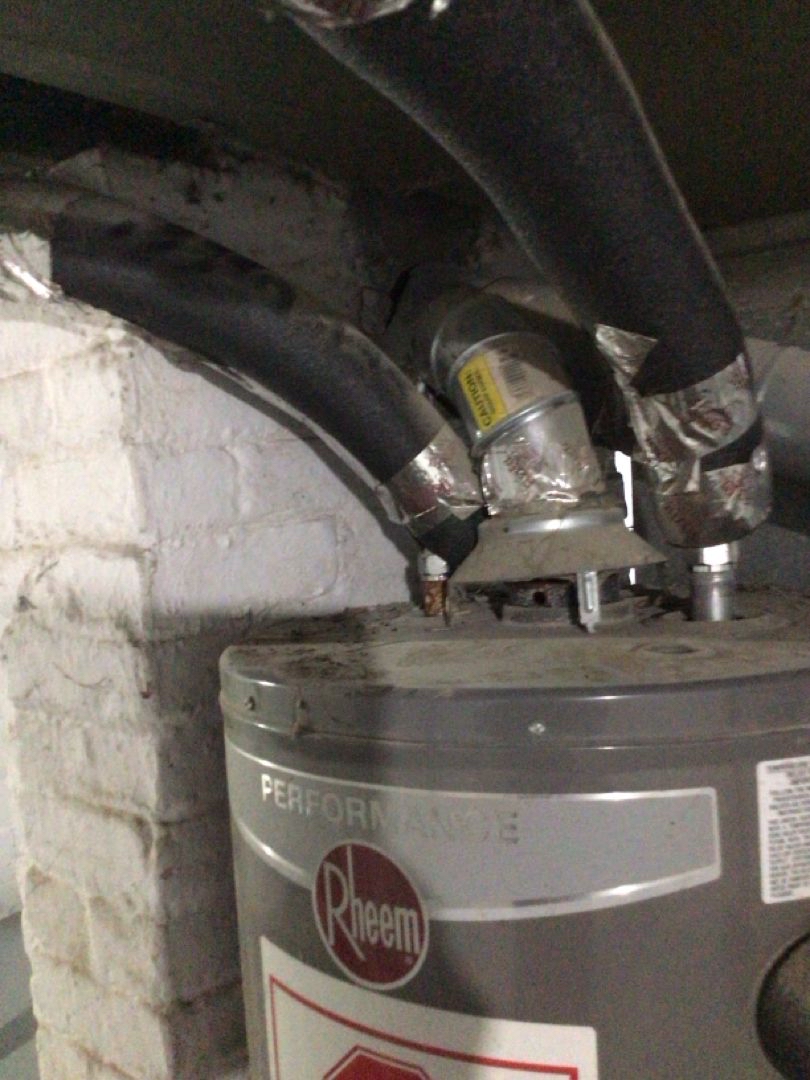
What It Is
A well pressure tank is a steel vessel that stores pressurized water between pump cycles, providing steady water pressure to the home without requiring the pump to run every time a faucet opens. Inside is a rubber bladder or diaphragm with pre-charged air on one side and water on the other. As water is used, the air pressure pushes water out until the pump turns on to recharge the tank. Also called a bladder tank or captive air tank.
What It Does
Without a pressure tank, the well pump would need to turn on every single time water was used - even to run the water for two seconds to rinse your hands. Electric motors wear out faster when they start frequently, and the pressure from a pump turning on and off would cause noticeable surges at every fixture. The pressure tank solves both problems by acting as a buffer. It holds several gallons of water at working pressure, so normal modest use draws from the tank without cycling the pump. The pump only runs when the tank needs recharging.
Where It Is Located
The pressure tank is installed inside the house - typically in the basement, utility room, or crawl space - near the point where the well supply line enters. It connects between the well supply line and the house plumbing, with the pressure switch mounted on or near it. The tank is usually a cylindrical steel vessel ranging from about 20 to 80 gallons in capacity for residential systems, though larger homes or high-demand situations may use bigger tanks.
How It Works
Modern bladder-style pressure tanks divide the interior into two chambers separated by a rubber bladder. The air chamber is pre-charged to a specific pressure (typically 2 PSI below the pump cut-in pressure) before installation. Water from the well pump fills the water side of the bladder under pressure, compressing the air. When water is drawn at a fixture, the compressed air pushes water out through the water chamber, maintaining pressure without the pump running. When water pressure drops to the cut-in set point, the pressure switch activates the pump, which recharges the water chamber until cut-out pressure is reached.
Common Problems or Signs of Failure
- Pump short-cycling - turning on and off rapidly, even with minimal water use. Usually means the bladder has failed and the tank is waterlogged
- Pressure fluctuates widely during use - large swings indicate insufficient air cushion
- Water coming out of the air valve on top of the tank - bladder has ruptured
- Tank feels completely full of water when tapped (heavy, no air space) - waterlogged
- Banging pipes when pump cycles - related to short cycling
Can a Homeowner Check It?
- Check the pressure gauge on or near the tank - when no water is being used, pressure should read steadily between the cut-in and cut-out values (commonly 40 PSI and 60 PSI)
- Listen for the pump cycling on and off rapidly - if it runs for only 1-2 seconds and then shuts off repeatedly, the tank likely needs attention
- Tap the side of the tank when no water is running - a properly functioning tank will sound hollow in the upper portion and full in the lower portion
- Check the air valve on top of the tank with the water off - you should be able to press it and feel only air, not water squirting out
When to Call a Plumber
A waterlogged or failed pressure tank should be replaced - attempting to repair the internal bladder is not practical. Pressure tank replacement is a job for a plumber familiar with well systems: the water must be shut off, pressure relieved, and the tank properly sized and re-pressurized for the existing pump and pressure switch settings. Ignoring a waterlogged tank accelerates well pump wear significantly.
Related Plumbing Problems
Related Plumbing Terms
Related Gray's Services
Have a Plumbing Question? We Can Help.
Gray's Precision Plumbing serves Northeast Ohio. Call or text for a straight answer on what's wrong and how to fix it.
Call 440-723-8850 Send a Message