Quick Answer
A loud banging or hammering sound that occurs when water flow stops suddenly is called water hammer. It is caused by the momentum of fast-moving water hitting a sudden stop -- typically when a solenoid valve in a washing machine or dishwasher closes abruptly, or when a faucet is turned off quickly. The pressure wave travels through the pipe and creates the banging sound. It is more common in homes with high water pressure or older plumbing without air chambers or water hammer arrestors.
Signs and Symptoms
- Loud bang or thump when a washing machine cycle ends
- Banging when a dishwasher fill valve closes
- Thumping when a faucet is turned off quickly
- Banging heard from walls or basement pipes
- Sound is louder and more frequent than it used to be
Common Causes
Fast-Closing Solenoid Valves
Modern washing machines and dishwashers use solenoid valves -- electromagnetic valves that close nearly instantaneously when a cycle transitions. This abrupt stop sends a pressure shockwave through the supply line that manifests as a bang. This is the most common cause of water hammer in residential plumbing.
No Water Hammer Arrestors
Water hammer arrestors are small devices installed at appliance supply connections that absorb the pressure surge when a valve closes. Homes built before water hammer arrestors became standard practice lack them. Adding arrestors at the washing machine and dishwasher supply connections resolves most water hammer complaints.
High Water Pressure
Water moving at higher velocity creates a more severe shockwave when it stops. Homes with supply pressure above 80 psi experience worse water hammer than those at normal pressure (50 to 65 psi). A pressure-reducing valve set to the appropriate range reduces the severity.
Failed Air Chambers
Older homes may have vertical pipe sections (air chambers) installed at supply connections that use trapped air to cushion pressure surges. Over time, water absorbs the air and the chamber loses its cushioning effect. Air chambers can be recharged by shutting off the supply and opening all faucets to drain the system, or replaced with a water hammer arrestor.
Loose or Inadequately Secured Pipes
Pipes that are not properly secured to framing transmit vibration and amplify the banging sound. A pipe that was always hammering but is now louder may have lost a strap or support.
What Can Homeowners Safely Check?
- Note which appliance or fixture triggers the bang. The washing machine is the most common.
- Note whether the bang is at the appliance or in a distant section of pipe.
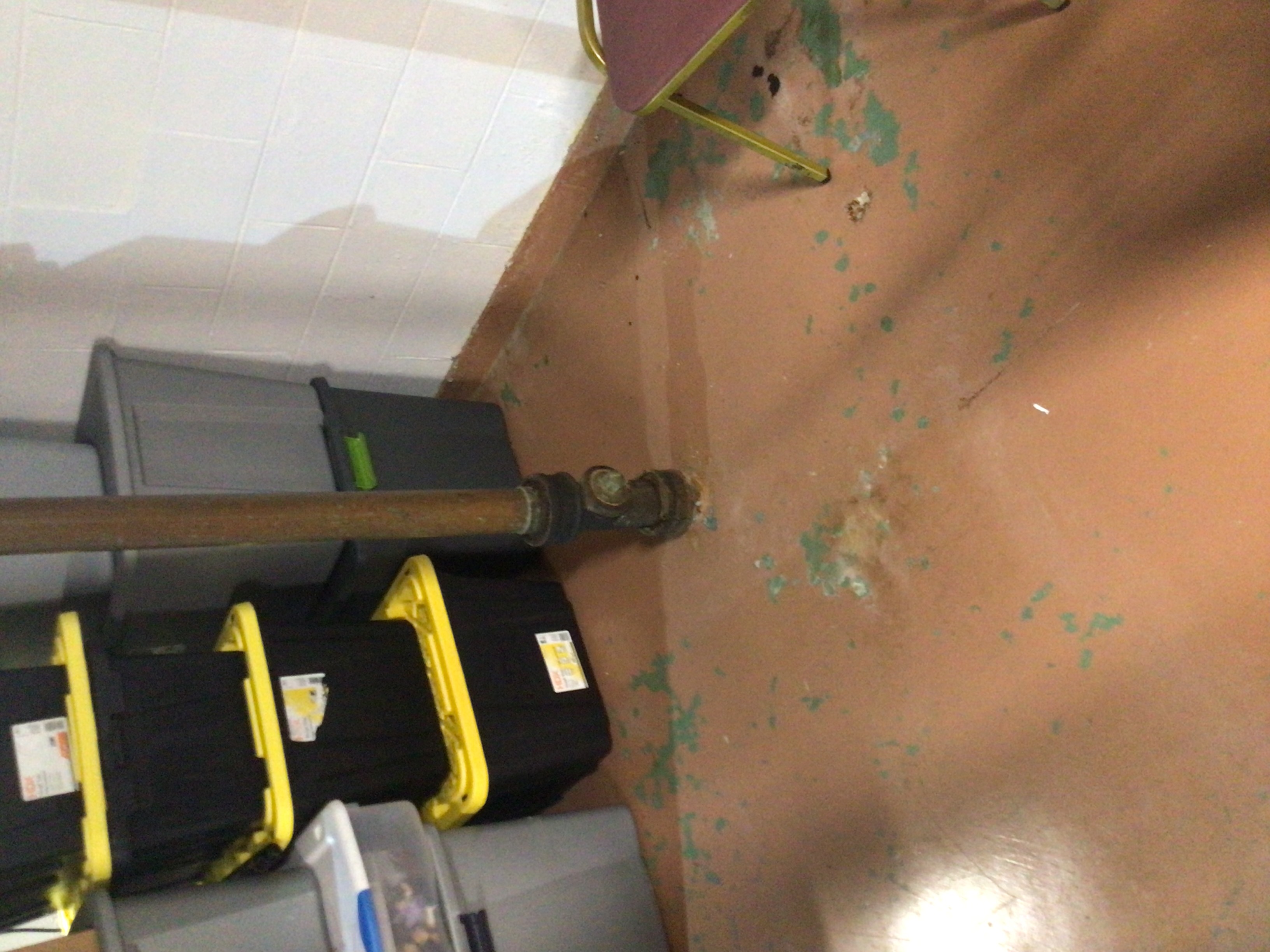
- Check accessible pipes in the basement or utility space for loose straps.
- Check the household water pressure with an inexpensive gauge at a hose bib. Above 80 psi is too high.
- Note whether the problem has worsened recently -- this may indicate a strap has failed or pressure has increased.
Occasional water hammer is common and not immediately damaging. Frequent, severe water hammer can fatigue pipe joints and connections over years, particularly in older plumbing. It is worth addressing rather than ignoring.
When Is This an Emergency?
- Banging is extremely loud and new, accompanied by visible pipe movement
- Water staining appears on walls or ceilings near the pipes after a severe bang
- A pipe joint has visibly separated or is leaking
Solutions
Water Hammer Arrestors
Installed at the supply connection of the washing machine, dishwasher, or other solenoid-valve appliance. These are small devices with fast installation and are highly effective at eliminating water hammer from appliances.
Pressure Reduction
A plumber adjusts or replaces the pressure-reducing valve to bring supply pressure into the normal range. This reduces water hammer severity and protects all plumbing components from high pressure stress.
Pipe Securing
Adding pipe straps or cushioned supports at the point of vibration reduces transmission of the bang through walls. This is often done in combination with arrestor installation.
Air Chamber Recharge
Shut off the main supply, open all faucets to drain the system fully, then restore water. This reintroduces air into old-style air chambers and can temporarily restore their cushioning effect.
How Gray's Precision Plumbing Diagnoses It
Gray's identifies which valve or appliance triggers the bang, checks supply pressure, inspects for loose pipe supports, and recommends the appropriate solution -- usually arrestor installation, pressure reduction, or both. Related pipe noise issues are covered in our guide on pipes making noise and in the companion guide on pipes whistling.
Northeast Ohio Considerations
Older Northeast Ohio homes with original galvanized or copper supply lines and no arrestors are the most common setting for water hammer complaints. Pipe straps in older homes sometimes fail due to corrosion or were insufficient from original installation. If your home is more than 40 years old and was never replumbed, it likely has neither arrestors nor modern strap configurations.
Frequently Asked Questions
Is water hammer harmful to my pipes?
Why does my washing machine cause such a loud bang?
My pipes bang in cold weather. Is that the same problem?
Can I fix water hammer myself?
My pipes have always banged a little. Does that need to be fixed?
Related Plumbing Knowledge
Related Services
Related Problems
Pipes Banging? We Can Stop It.
Gray's Precision Plumbing installs water hammer arrestors and adjusts system pressure throughout Northeast Ohio. Most water hammer problems are resolved in a single visit.
Call 440-723-8850 Send a Message