
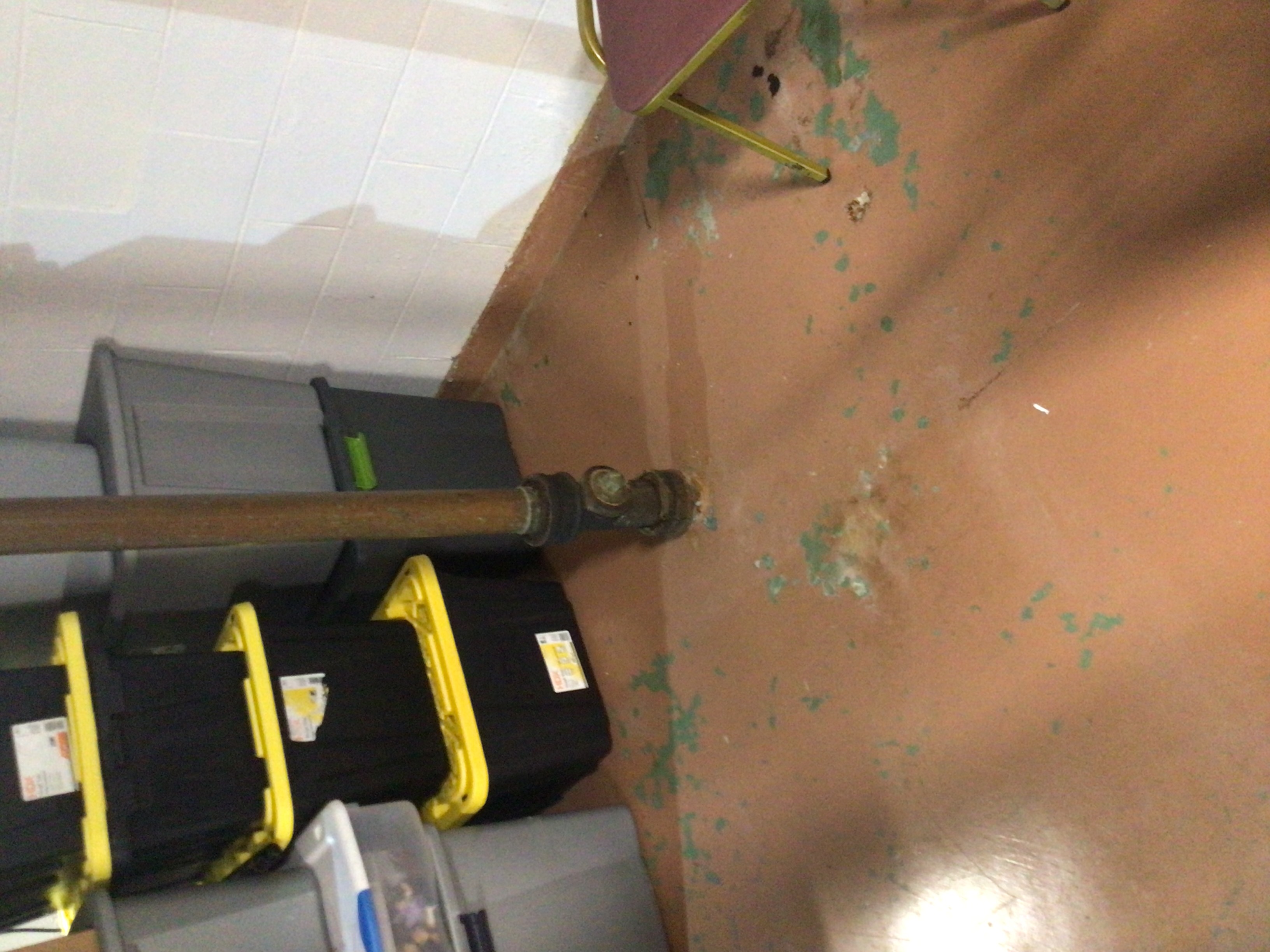
Quick Answer
Hidden water leaks show themselves through indirect signs -- a higher-than-normal water bill, the sound of running water when all fixtures are off, warm spots on the floor, discoloration on walls or ceilings, musty odors, or visible mold. Most hidden leaks can be located by a plumber using pressure testing, thermal imaging, or acoustic detection without opening walls unless necessary.
Signs and Symptoms
- Unexplained increase in water bill
- Sound of running water with all fixtures off
- Warm spot on a floor -- may indicate a hot water slab leak
- Discoloration or staining on walls, ceilings, or floors
- Musty or mildew odor in a room with no visible moisture source
- Mold growth in unusual locations
- Reduced water pressure throughout the home
Common Causes
Pinhole Leaks in Copper Pipe
Copper pipe can develop small pinhole leaks due to corrosion, particularly in homes with aggressive water chemistry. Pinholes leak slowly and continuously, often wetting insulation or framing inside the wall before any surface sign appears.
Supply Line Failure Behind Fixtures
Flexible braided supply lines connecting fixtures to shutoff valves have a finite service life. They are behind toilets, under sinks, and at the dishwasher. A slow seep from a supply line fitting wets the cabinet interior or subfloor for months before it is noticed.
Slab Leak
A pipe failure in or below the concrete slab -- either a hot water supply line or a drain line -- is one of the more serious hidden leaks. Hot water slab leaks often produce a warm or hot floor surface above the pipe and significantly higher water bills. Cold water slab leaks may remain undetected longer.
Joint or Fitting Failure
Push-fit or compression fittings can fail gradually if they were not seated correctly or if the pipe has shifted. Joint leaks inside walls or ceilings often surface only when the wall material saturates and shows discoloration or bubbling.
Leaking Drain Line
Drain lines that crack or have joint failures leak only when water flows through them. Evidence includes recurring musty odor in a specific area of the home or staining on the ceiling below an upper-floor bathroom.
What Can Homeowners Safely Check?
- Do the water meter test: turn off all fixtures and appliances, check meter for movement after 15 minutes.
- Check under every sink for moisture on the cabinet floor.
- Check around and behind the toilet base and at supply line connections.
- Feel the floor in areas near bathrooms, kitchen, and laundry for unusual warmth.
- Check ceilings below upstairs bathrooms for any discoloration.
- Note any rooms with a persistent musty smell.
Mold associated with a hidden leak can develop within 24 to 48 hours in warm conditions. A musty smell in a specific room that does not have an obvious moisture source is worth investigating promptly, even if no staining is visible yet.
When Is This an Emergency?
- Ceiling is bubbling, sagging, or actively dripping
- Water sounds are loud and clearly running with all fixtures off
- Water meter indicator is moving rapidly with all fixtures confirmed off
How Plumbers Find Hidden Leaks
Pressure Testing
The water supply is shut off and pressure is measured in individual sections of the supply system. A section that loses pressure faster than others has a leak within it. This narrows the search area significantly before any wall opening.
Thermal Imaging
A thermal camera detects temperature differences in walls and floors. A hot water slab leak creates a warm signature on the floor visible to the camera. Cold water leaks can also show as cooler areas in certain conditions.
Acoustic Detection
Electronic listening devices detect the sound of water moving through a pipe or escaping through a leak. This works through walls and slabs and can pinpoint leaks within a small area.
How Gray's Precision Plumbing Diagnoses It
Gray's begins with the meter test to confirm a leak is active, then checks accessible areas (under sinks, at visible supply lines) before using more advanced techniques. The goal is to locate the leak as precisely as possible before recommending any wall or floor opening. See our related guide on a high water bill for more on the meter test and other starting points.
Northeast Ohio Considerations
Older copper supply lines in Northeast Ohio homes, combined with moderately aggressive water chemistry in parts of the region, produce a higher-than-average incidence of pinhole leaks in homes built in the 1960s through 1980s. Repiping is a long-term solution for homes with recurring pinhole leaks. If your home is in this age range and has had more than one pinhole leak repaired, a broader inspection of the supply system is worth having.
Frequently Asked Questions
How do I confirm I have an active hidden leak before calling a plumber?
Can a hidden leak cause mold?
What is a slab leak and how serious is it?
Will a plumber have to open my walls to find a hidden leak?
My water bill went up but I cannot find any leak. Should I still call a plumber?
Related Plumbing Knowledge
Related Services
Related Problems
Think You Have a Hidden Leak? Let's Find It.
Gray's Precision Plumbing uses leak detection methods to locate hidden leaks throughout Northeast Ohio without unnecessary wall damage.
Call 440-723-8850 Send a Message