
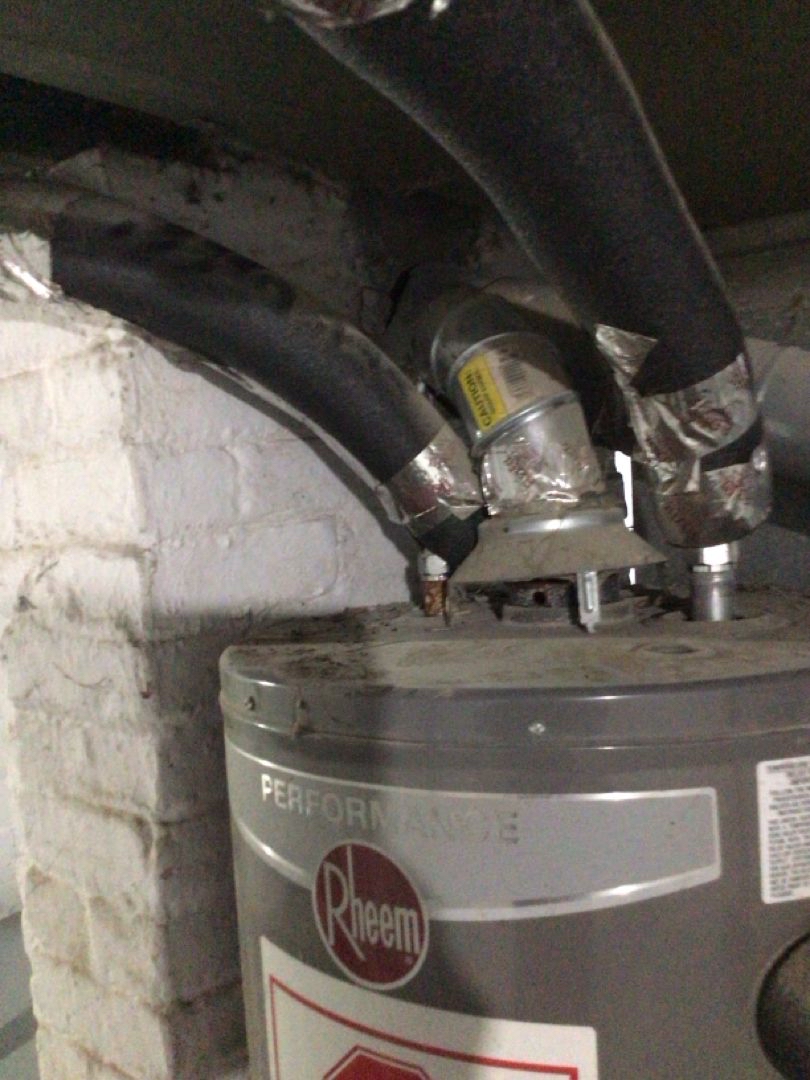
What It Is
PEX (cross-linked polyethylene) is a flexible plastic tubing used for residential and commercial water supply lines. The cross-linking process bonds polyethylene polymer chains together, creating a more heat-resistant, pressure-resistant material than standard plastic pipe. PEX comes in red (hot), blue (cold), and white (either), and in various diameters. It has largely replaced copper for new residential supply installations and repiping projects over the past two decades.
What It Does
PEX carries pressurized hot and cold water from the supply lines to every fixture in the home. It serves the same function as copper or galvanized pipe but with several practical advantages. PEX is flexible enough to be snaked through walls without as many fittings, resists scale and mineral deposits on its smooth interior surface, and does not corrode. In freezing temperatures, PEX can expand slightly rather than cracking, making it more freeze-resistant than copper (though it is not freeze-proof).
How It Works
PEX is connected using several systems. Expansion connections (PEX-A) use a tool that expands the pipe end before inserting the fitting, then the pipe contracts tightly around the fitting as it cools. Crimp and clamp systems (PEX-B) use metal rings compressed around the fitting with a crimping tool. Press-fit fittings are also available. None of these connections require heat or solder, making installation faster than copper sweating.
PEX cannot be exposed to UV light for extended periods - sunlight degrades the polymer. It also cannot be used for gas lines. And PEX should not be directly connected to recirculating hot water returns without understanding the manufacturer's temperature ratings - most PEX is rated to 200°F, which covers virtually all residential applications.
Common Problems or Signs of Failure
- Fittings leak if not fully seated during installation - usually discovered shortly after installation
- Pinhole-style failures can occur at crimp connections if the crimp ring is improperly sized or placed
- UV degradation if left exposed in a sunny area (e.g., outdoor installation without UV protection)
- PEX-B can be stiffer at cold temperatures, making it harder to work with in winter installations
- Rodent damage - mice can chew through PEX, an occasional issue in crawlspace installations
Can a Homeowner Check It?
- Inspect accessible PEX runs in the basement or utility room for kinks, pinches, or signs of abrasion
- Check connection points and fittings for any moisture or drips
- Verify that all PEX runs in unheated spaces have adequate protection against freezing
- Color coding helps: red lines carry hot water, blue carry cold - check that supply lines are correctly connected
When to Call a Plumber
PEX repiping is a project best handled by a licensed plumber. While individual supply line repairs can sometimes be DIY, whole-house repiping requires planning the manifold layout, properly sizing each run, and ensuring code-compliant connections and support. A plumber familiar with PEX systems can complete a repiping job with minimal wall openings by routing flexible tubing through existing wall cavities.
Related Plumbing Problems
Related Plumbing Terms
Related Gray's Services
Have a Plumbing Question? We Can Help.
Gray's Precision Plumbing serves Northeast Ohio. Call or text for a straight answer on what's wrong and how to fix it.
Call 440-723-8850 Send a Message