What It Is
Hard water is water that contains elevated levels of dissolved calcium and magnesium minerals, picked up as groundwater passes through limestone and mineral rock formations. Hardness is measured in grains per gallon (GPG) or milligrams per liter (mg/L). One commonly used scale classifies water below 3.5 GPG as soft, 3.5 to 7 GPG as moderately hard, and above 10.5 GPG as very hard — though classification ranges vary by source. Hard water is not generally considered a health hazard, but it can cause visible and invisible problems throughout the plumbing system.
What It Does
The effects of hard water show up in several ways at once. White or tan scale accumulates on faucets, showerheads, and inside water heaters. Soaps and detergents don't lather as well because the calcium ions interfere with surfactant action, leaving soap scum on tubs, sinks, and laundry. Dishes from the dishwasher come out with white spots. Skin and hair may feel coated after showering.
Inside the plumbing, mineral deposits narrow hot water pipes and coat heating elements. Tankless water heaters are particularly susceptible - their narrow heat exchanger passages restrict quickly when scale builds up. The harder the water and the higher the set temperature, the faster scale accumulates.
How It Works
Rainwater is naturally soft (low mineral content). As it percolates through soil and rock, it dissolves calcium carbonate (limestone) and magnesium. In areas with significant limestone geology - including much of the Lake Erie watershed - groundwater and municipal water tends to be moderately to very hard. Municipalities treat water for safety but don't typically soften it.
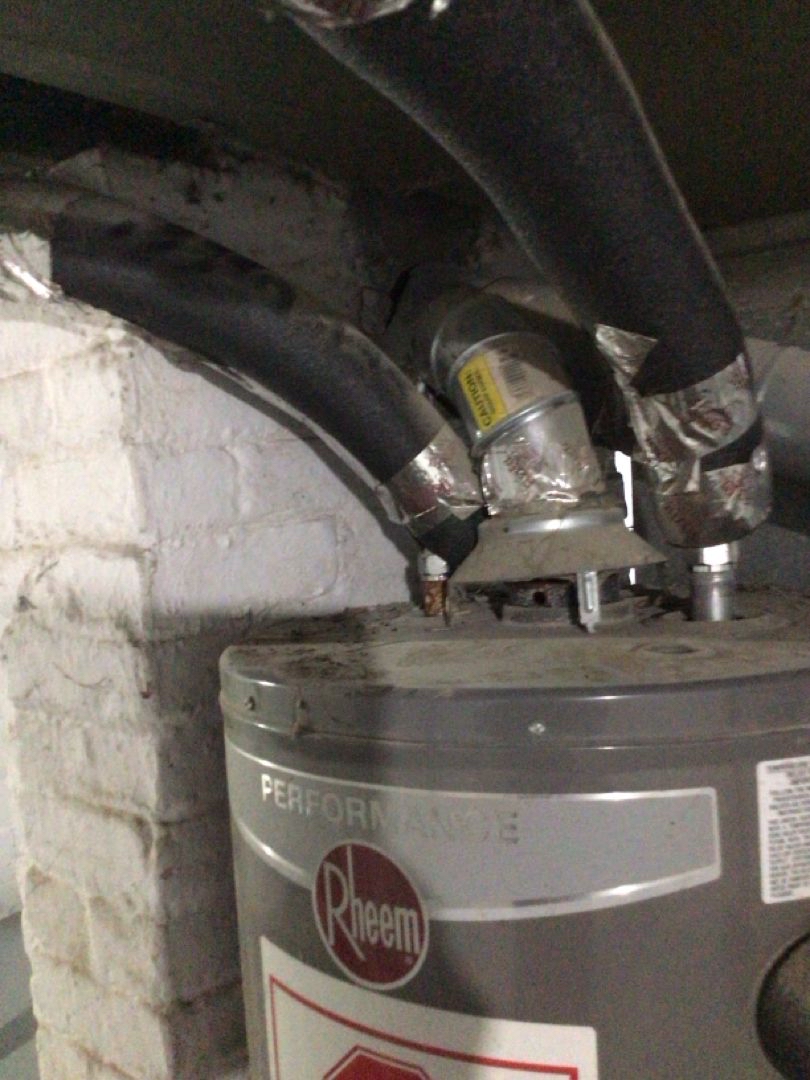
When hard water is heated, calcium carbonate becomes less soluble and precipitates out of solution, bonding to the nearest surface. This is why scale accumulates fastest at and above the water heater, in hot water pipes, and on the heating element of electric water heaters.
Common Problems or Signs of Failure
- White or tan crusty deposits around faucet bases and showerheads
- Spotty dishes from the dishwasher despite using detergent
- Soap scum rings in tubs and sinks that are difficult to remove
- Water heater making popping or rumbling noise - scale on the tank floor or element
- Shortened water heater lifespan - electric elements fail faster with scale insulation
- Reduced flow at showerheads and faucet aerators
Can a Homeowner Check It?
- Check your water utility's annual quality report - hardness levels are typically listed in mg/L or GPG
- Look at the bottom of your electric kettle or in your showerhead nozzles for white mineral deposits
- Try a basic water hardness test strip from a hardware store for a quick reading
- Notice soap behavior: if soap doesn't lather easily and leaves a film, hardness is likely contributing
When to Call a Plumber
Call a plumber if you want a professional water hardness test and an evaluation of water treatment options. A whole-house water softener is the most effective solution - it uses ion exchange resin to replace calcium and magnesium ions with sodium. A plumber can size the softener for your water usage and hardness level and install it on the main supply line before the water heater.
Related Plumbing Problems
Related Plumbing Terms
Related Gray's Services
Have a Plumbing Question? We Can Help.
Gray's Precision Plumbing serves Northeast Ohio. Call or text for a straight answer on what's wrong and how to fix it.
Call 440-723-8850 Send a Message