Quick Answer
A slow sink drain is almost always a clog. In a bathroom sink, the most common location is the P-trap directly below the drain or the pop-up stopper assembly that accumulates hair and soap residue over time. In a kitchen sink, grease and food debris are the primary culprits. Most bathroom sink clogs can be cleared without a plumber. Kitchen sink clogs, especially recurring ones, sometimes indicate a deeper line problem.
Signs and Symptoms
- Water pools in the sink basin and drains slowly
- Drain gurgles after water eventually clears
- Odor from the drain (often accompanies hair and soap buildup)
- Complete blockage -- water will not drain at all
- Kitchen sink backed up on one or both sides
Common Causes
Bathroom Sink -- Hair and Soap Buildup
Hair that enters the drain accumulates on the pop-up stopper mechanism and in the P-trap. Soap binds the hair together into a dense plug that builds slowly over months. Most bathroom sink clogs are within the first foot of the drain, making them accessible with a hair removal tool or by removing the P-trap.
Kitchen Sink -- Grease and Food Debris
Grease poured down the kitchen drain cools and solidifies in the pipe. Food particles accumulate in the grease layer over time. Unlike bathroom sink clogs, kitchen sink grease clogs can extend further into the drain line and recur even after clearing if the habit of pouring grease continues.
Pop-Up Stopper Accumulation
Bathroom sinks have a pop-up stopper linked to a lift rod at the back of the faucet. The stopper accumulates hair and debris faster than the drain itself. A stopper that has never been cleaned may be the entire source of a slow drain.
Shared Drain Line Partial Blockage
If multiple sinks in the same area are draining slowly at the same time, the problem may be in the shared horizontal drain line that connects them rather than in any individual sink.
Venting Issue
Drain vent pipes allow air into the drain system to maintain neutral pressure. A blocked or improperly sized vent creates slow drainage that does not respond to cleaning the drain itself. A gurgling sound after water drains is a sign of a venting problem.
What Can Homeowners Safely Check?
- Pull out and clean the pop-up stopper in a bathroom sink -- it unscrews or lifts off on most models.
- Use a plastic hair removal tool (drain snake) to pull debris from the drain opening.
- Run very hot water into a kitchen sink drain for several minutes to soften grease deposits.
- Check whether the slow drain is only at this sink or at multiple drains (multiple = deeper problem).
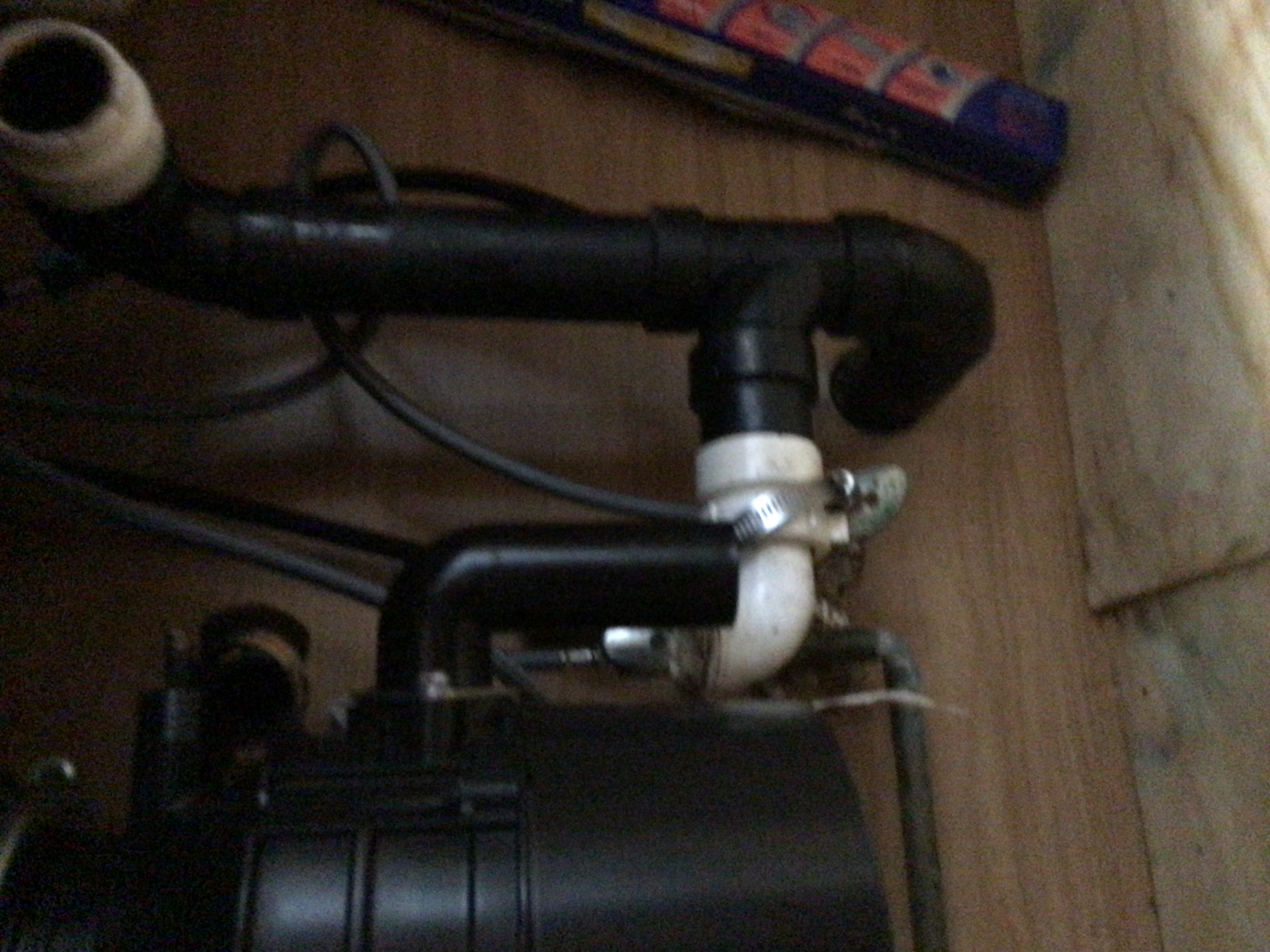
- Remove and clean the P-trap if comfortable doing so -- place a bucket below first.
Avoid chemical drain cleaners that contain lye or sulfuric acid. They can damage older pipes, are hazardous if they splash, and often provide only temporary relief. A mechanical solution (hair tool, P-trap cleaning) is safer and more effective.
When Is This an Emergency?
- Sink is completely blocked and water is overflowing
- Multiple fixtures are backing up simultaneously
- Foul odor accompanies complete blockage (may indicate sewer line issue)
When to Call a Plumber
Try Clearing It Yourself First When:
- Single bathroom sink with known hair and soap buildup
- Pop-up stopper has not been cleaned in a long time
- Kitchen sink slow after heavy grease use
Call a Plumber When:
- The drain is clear but still slow (venting issue or further blockage)
- Multiple sinks are slow at the same time
- The same sink clogs repeatedly within weeks of clearing
- Chemical or mechanical attempts have not improved drainage
How Gray's Precision Plumbing Diagnoses It
A plumber inspects the pop-up assembly, clears the P-trap, and snakes the line to the depth needed to confirm the clog is fully cleared. If the drain remains slow, a camera inspection identifies blockages further in the line or confirms a venting problem.
Northeast Ohio Considerations
Hard water in Northeast Ohio contributes to mineral scale forming inside drain pipes over years of use, gradually narrowing the interior. In older homes, this scale combined with soap accumulation can create stubborn slow drains that clear temporarily but recur quickly.
Frequently Asked Questions
Why does my bathroom sink drain so slowly when I just cleaned it?
Is it safe to pour boiling water down a slow kitchen drain?
Why does my kitchen sink drain on one side but not the other?
What is the gurgling sound my sink makes after it drains?
Can a slow sink drain become a complete blockage?
Related Plumbing Knowledge
Related Services
Related Problems
Slow Sink Drain? We Can Clear It for Good.
Gray's Precision Plumbing clears sink drains and diagnoses recurring clog problems throughout Northeast Ohio.
Call 440-723-8850 Send a Message