Quick Answer
Most drain odors come from one of three sources: a dry P-trap that has lost its water seal, biofilm and organic debris coating the inside of the drain, or sewer gas entering through a plumbing issue such as a blocked vent or a cracked pipe. The easiest fix is also the most common cause: running the drain to refill the trap. More persistent odors need a plumber to trace the source.
Common Causes of Drain Odor
Dry P-Trap
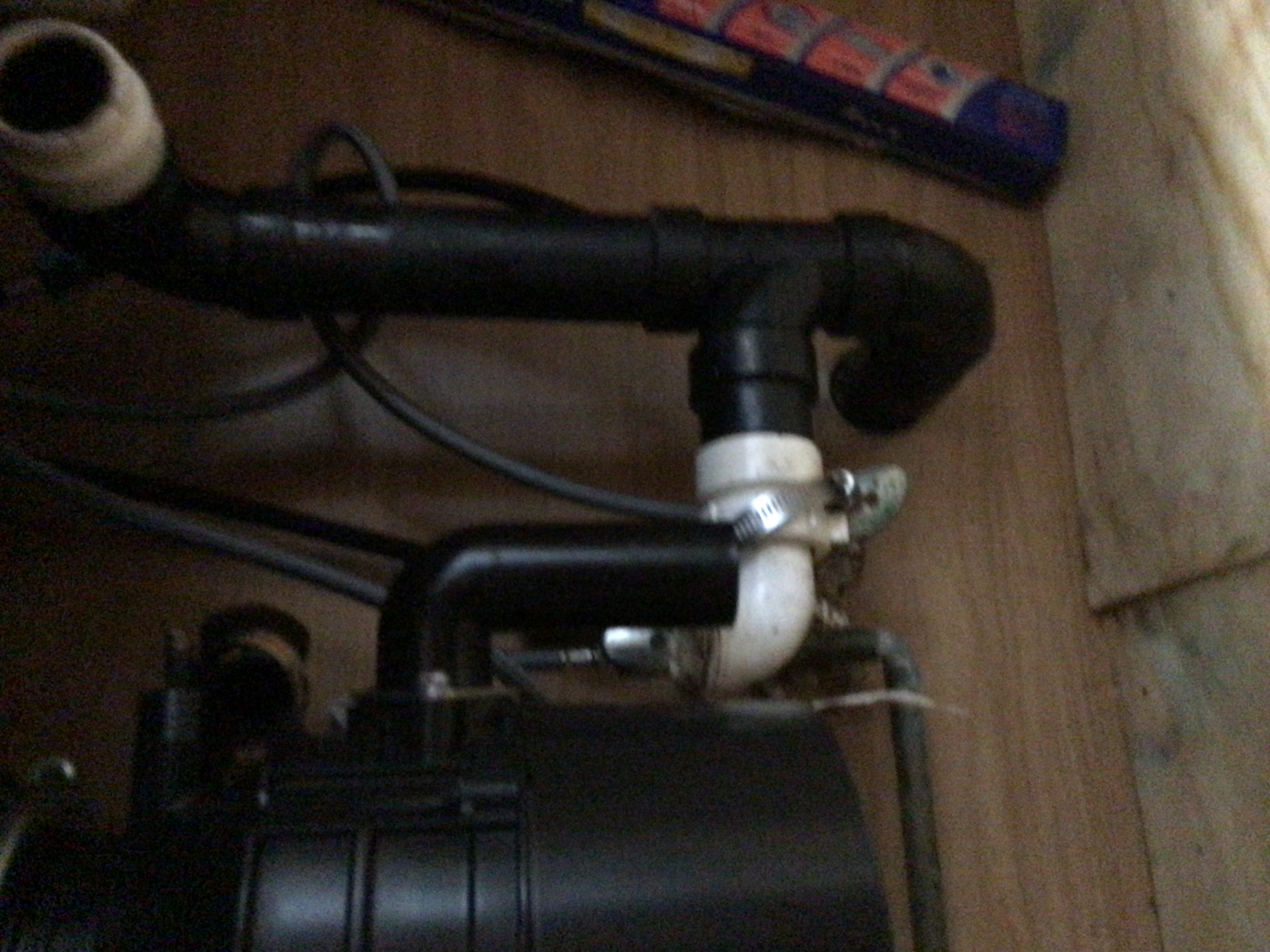
Every drain connected to the sewer system has a P-trap, the curved pipe beneath the fixture that holds a small amount of water. That water creates a seal blocking sewer gas from rising up through the drain. If a fixture has not been used for several weeks, the water in the trap can evaporate, allowing sewer gas to enter the room. This is especially common in guest bathrooms, utility sinks, and basement floor drains.
The fix is simple: run water in the fixture for 30 seconds to refill the trap. For floor drains or other infrequently used fixtures, pouring a small amount of cooking oil on top of the water after filling slows evaporation.
Biofilm and Organic Buildup
In frequently used drains, especially kitchen sinks and bathroom sinks and showers, a slimy biofilm of bacteria can coat the inside of the drain, strainer, and trap interior. This produces a musty, rotten, or garbage-like smell that tends to be strongest at the drain opening. Cleaning the strainer, the trap, and the pipe below it removes most of the source.
Blocked or Partially Blocked Vent Stack
Drain systems are vented through the roof to allow air flow and prevent siphoning of trap water. If the vent stack becomes blocked by a bird nest, debris, or ice in winter, negative pressure in the drain system can draw water out of trap seals, allowing sewer gas to enter. A blocked vent can also cause gurgling from drains and slow drainage. A plumber can diagnose and clear a blocked vent.
Cracked Pipe or Failed Wax Ring
A cracked drain pipe inside a wall or under the floor can allow sewer gas to leak into the living space without any visible water damage. A failed wax ring at the base of a toilet is another common source of persistent sewage odor in a bathroom. These require professional identification and repair.
Sewer Line Issues
A partial sewer line blockage can slow drainage and create odors as organic material decomposes in the backed-up line. This is typically accompanied by other symptoms such as slow drains throughout the home or gurgling sounds.
What Can Homeowners Try First?
- Run water in any rarely used fixture for 30 seconds to refill the trap.
- Clean the drain strainer and remove visible hair or debris.
- Run hot water down kitchen drains after use to flush grease and food particles.
- Check whether the smell is coming from one drain or multiple locations.
If the smell is strong, occurs at multiple locations, or does not improve after running the drain, contact a plumber. Sewer gas in significant concentrations is a health and safety concern.
When Is a Drain Smell an Emergency?
- A strong sewer smell throughout the entire house, especially in lower levels.
- The smell is accompanied by dizziness, headache, or nausea, which can indicate significant hydrogen sulfide exposure.
- You notice bubbling or gurgling alongside the smell, suggesting a blocked vent or drain.
How Gray's Precision Plumbing Diagnoses Drain Odors
Persistent drain odors that do not resolve with basic remedies require tracing the source. A plumber can inspect vent stack accessibility, examine the trap condition, test for sewer gas with appropriate equipment, and use a drain camera to identify pipe damage or blockage. Knowing the source makes the solution clear rather than guesswork.
Northeast Ohio Considerations
Roof vent stack blockages from ice are a seasonal issue in Northeast Ohio winters. If drain odors begin or worsen in January or February after heavy freezing temperatures, the vent may be blocked with ice. A plumber can thaw or clear the vent safely.
Frequently Asked Questions
Why does my bathroom drain smell like sewage?
Why does my kitchen drain smell like rotten eggs or garbage?
Is sewer gas dangerous?
What is a P-trap and why does it prevent drain odors?
Can a drain smell indicate a bigger plumbing problem?
Related Plumbing Knowledge
Related Services
Related Problems
Drain Odor That Won't Go Away?
Gray's Precision Plumbing can trace the source of persistent drain odors and fix the underlying problem throughout Northeast Ohio.
Call 440-723-8850 Send a Message