
Quick Answer
Sewer gas is a mixture of gases produced by organic matter decomposing in the drain and sewer system. The most common reason it enters a home is a dry P-trap in a drain that has not been used recently. Other causes include a loose toilet wax ring, a cracked drain vent pipe, or a sewer line problem. The smell itself is the most consistent symptom -- identifying which drain or location is the source helps narrow the cause quickly.
Signs and Symptoms
- Sulfur or rotten egg smell indoors, especially near drains
- Smell strongest in basement or near floor drains
- Smell that comes and goes, often worse in the morning
- Smell present near a specific toilet or seldom-used bathroom
- Smell stronger after rain (vent pipe pressure changes)
Common Causes
Dry P-Trap
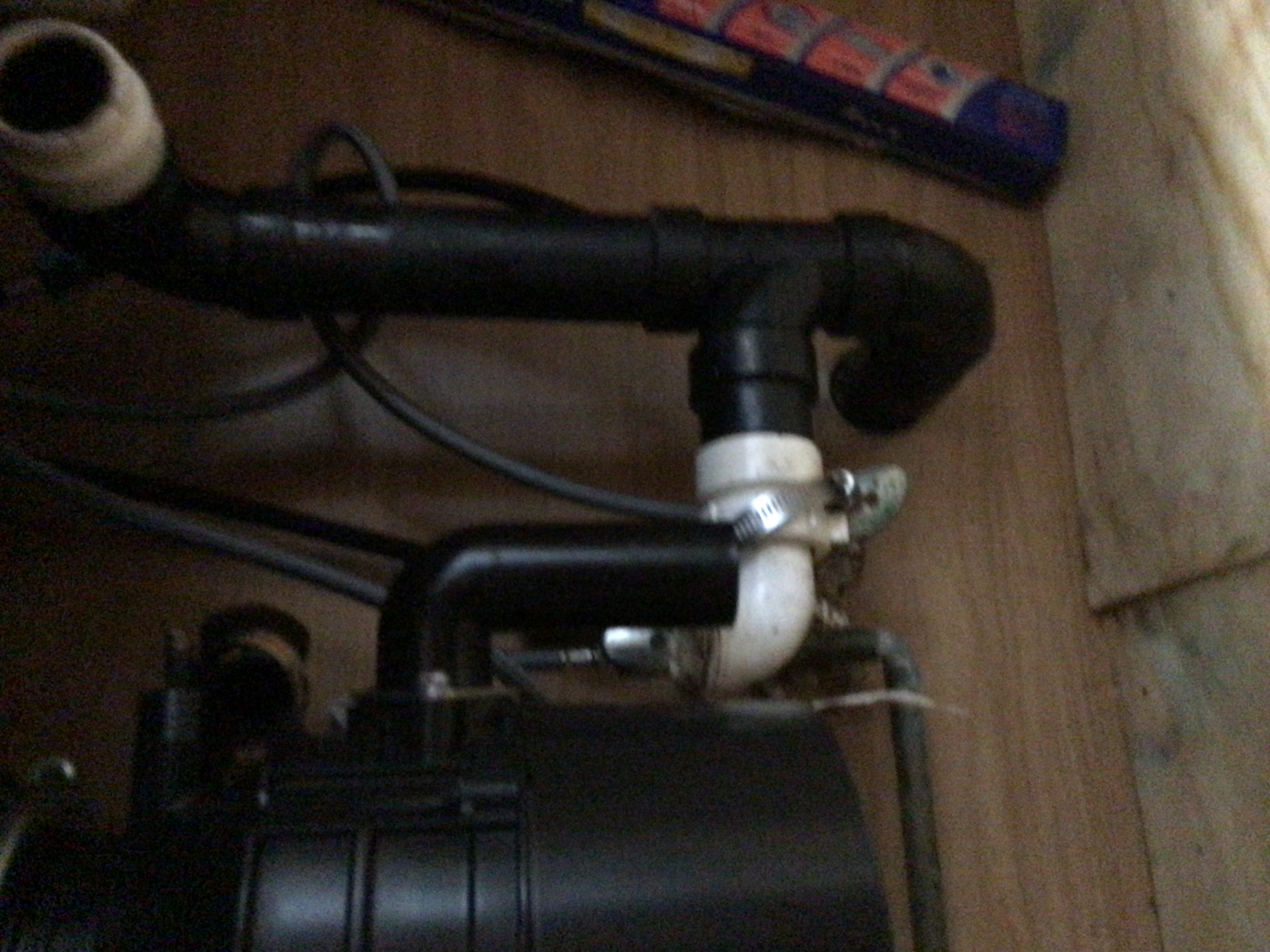
Every drain in your home has a P-trap -- the curved section of pipe beneath the fixture. The P-trap holds a small amount of water that blocks sewer gas from entering the home. Drains that are not used regularly -- a floor drain in the basement, a shower in a guest bathroom, a utility sink -- can dry out if the water in the trap evaporates. Once the trap is dry, there is no barrier to sewer gas.
Loose or Failed Toilet Wax Ring
A toilet wax ring that has failed or a toilet that rocks on its base allows sewer gas to escape around the base of the toilet into the bathroom. The smell is typically localized to the bathroom in question and may be stronger when the toilet is flushed.
Cracked or Improper Drain Vent
Drain vent pipes run from the drain system up through the roof to allow air in and sewer gas out. A cracked vent pipe inside the wall or attic allows gas to enter living spaces. This is harder to diagnose without inspection because the vent pipe is not visible.
Blocked Vent Stack
A vent stack blocked by debris, ice, or a bird's nest prevents the drain system from ventilating properly. Gas that cannot exit through the roof may find its way back into the home through fixture traps.
Main Sewer Line Problem
A cracked, offset, or root-damaged sewer line near the home can allow sewer gas to enter the soil around the foundation and seep into the basement or crawl space. This type of sewer gas entry is more diffuse and harder to trace to a specific drain.
What Can Homeowners Safely Check?
- Pour a cup of water into every floor drain, every seldom-used sink drain, every seldom-used shower drain, and every seldom-used toilet (flush it to refill the trap).
- Check all toilet bases for rocking movement or water staining.
- Open a seldom-used bathroom completely and run all fixtures.
- Note whether the smell is concentrated near a specific location or throughout the home.
- Note whether the smell is worse after heavy rain (can indicate vent or sewer line issue).
If the smell is strong, consistent, and present throughout the entire home -- not concentrated near any specific drain -- leave the home and contact both your gas utility and a plumber. A pervasive sulfur smell can occasionally indicate a gas line leak rather than a sewer problem, and the two should be ruled out.
When Is This an Emergency?
- Strong consistent sulfur smell throughout the entire home not associated with a specific drain
- Anyone in the household experiencing headaches, nausea, or dizziness
- Smell does not improve after running water into all unused drains
Fixes by Cause
Dry P-Trap
Pour a cup of water into the drain. Add a small amount of plumber's grease or vegetable oil on top to slow evaporation. Run seldom-used drains at least once a month.
Failed Wax Ring
Wax ring replacement by a plumber. The toilet is removed, new ring installed, toilet reset.
Cracked Vent or Blocked Stack
A plumber inspects or snakes the vent stack from the roof. Cracked vents inside walls are more involved to repair.
Sewer Line Issue
A sewer camera inspection identifies whether the main sewer line is damaged and contributing to the gas entry.
How Gray's Precision Plumbing Diagnoses It
Gray's checks all traps first (fastest fix), tests for wax ring movement, and inspects vent accessibility. If a localized cause is not found, a sewer camera inspection and smoke test can identify the source. A smoke test introduces non-toxic smoke into the drain system to find where gas is escaping.
Northeast Ohio Considerations
Northeast Ohio winters can freeze vent stack openings on roofs, blocking the drain system vent temporarily. This can cause gurgling drains and mild sewer odor in cold snaps that resolves as temperatures rise. Persistent odor after weather normalizes suggests a different cause.
Frequently Asked Questions
Why does my basement smell like sewer gas but I can't find which drain it is coming from?
How often should I run seldom-used drains?
Is sewer gas dangerous?
Can sewer gas come up through a toilet?
My drains all have water in them but I still smell sewer gas. What else could it be?
Related Plumbing Knowledge
Related Services
Related Problems
Smelling Sewer Gas? Let's Find the Source.
Gray's Precision Plumbing locates and fixes sewer gas odor problems throughout Northeast Ohio using inspection and smoke testing when needed.
Call 440-723-8850 Send a Message